


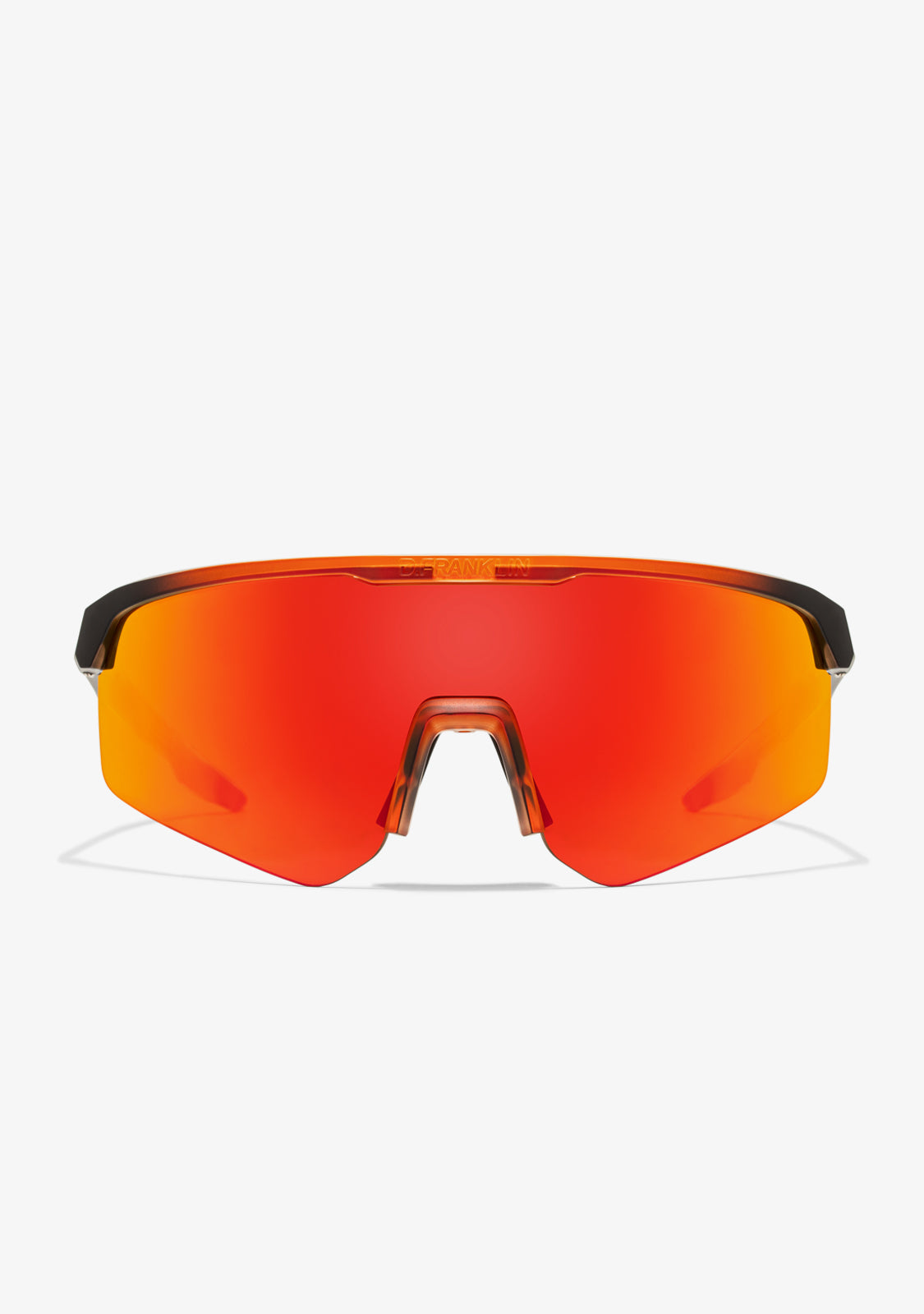
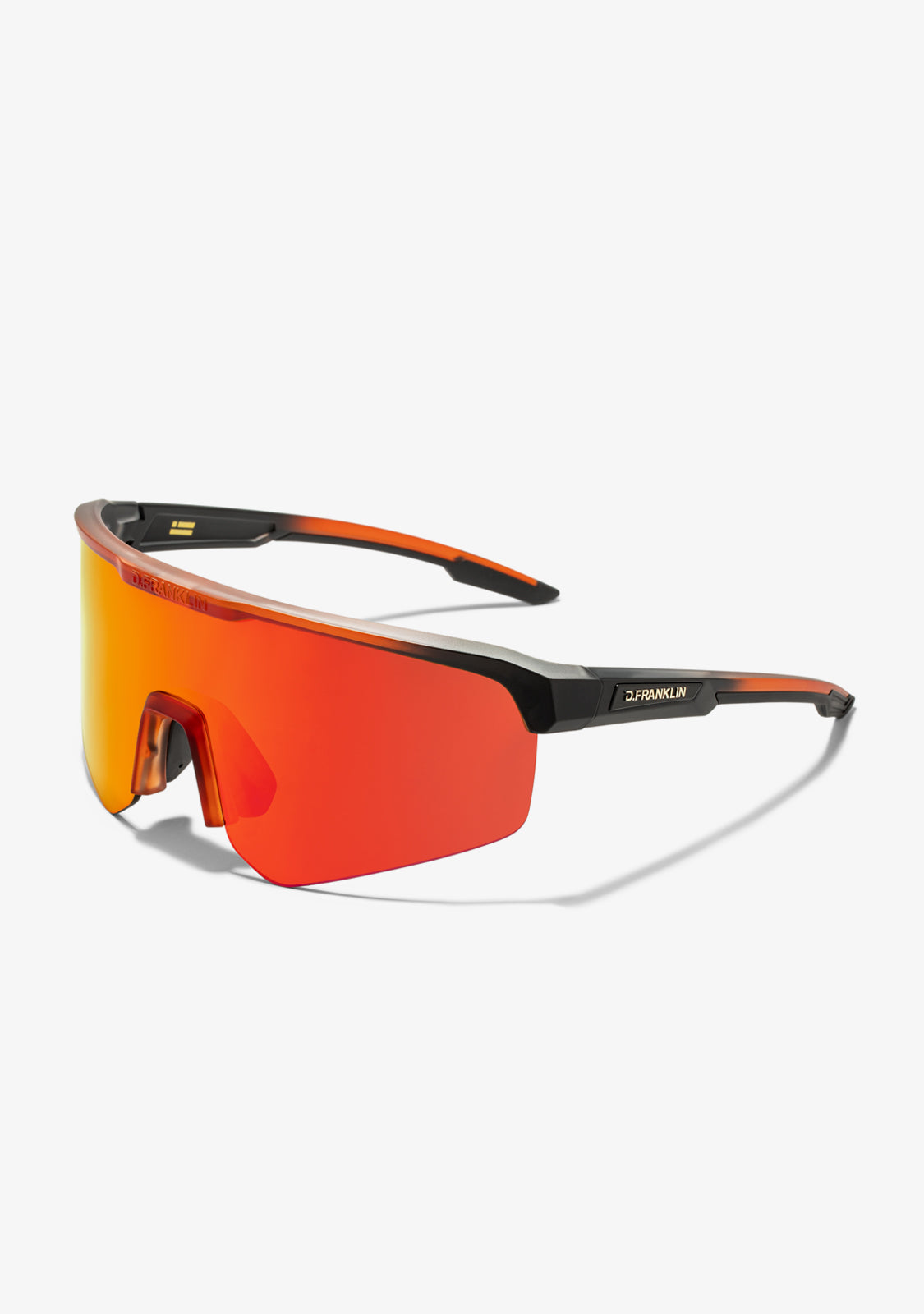

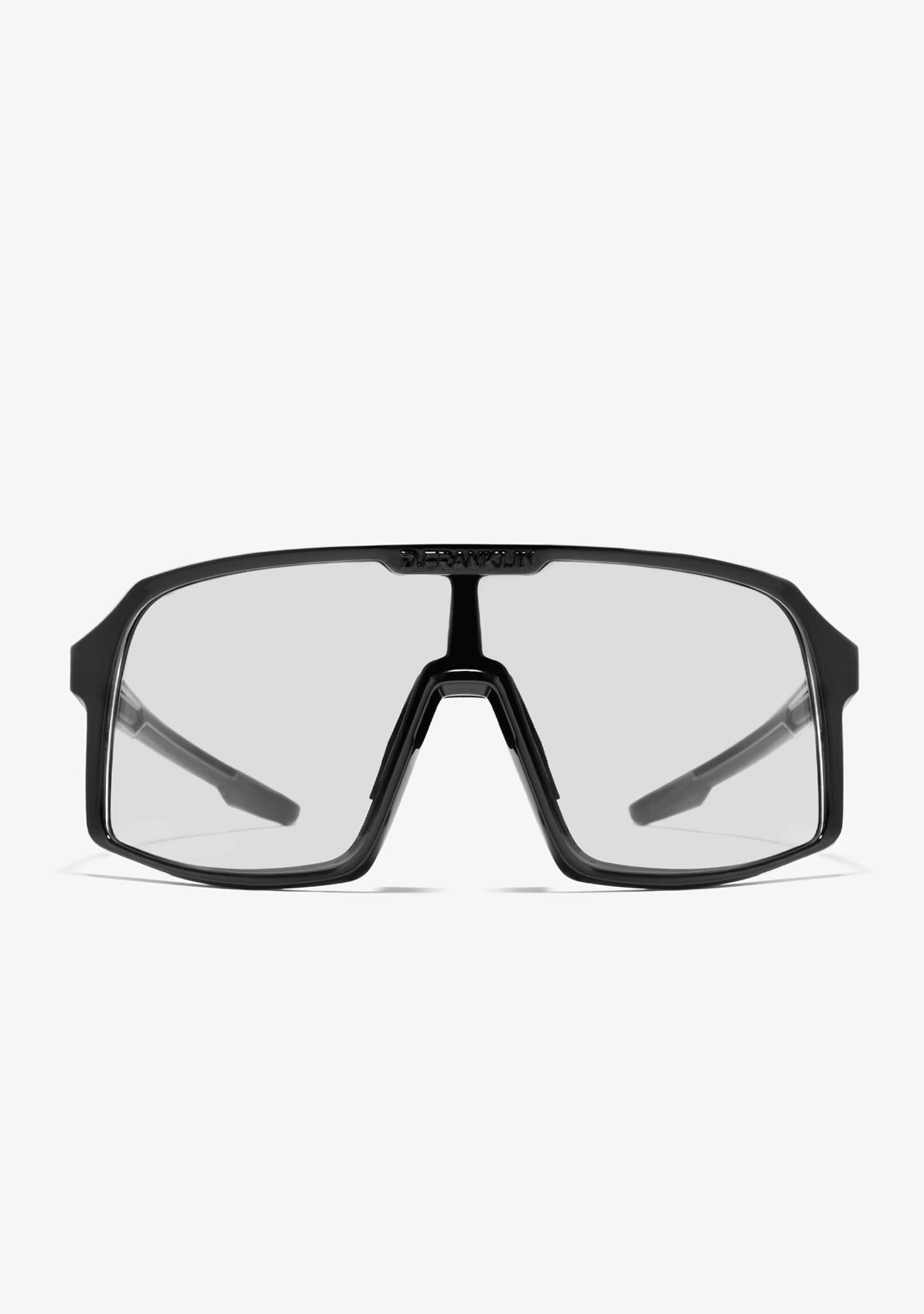
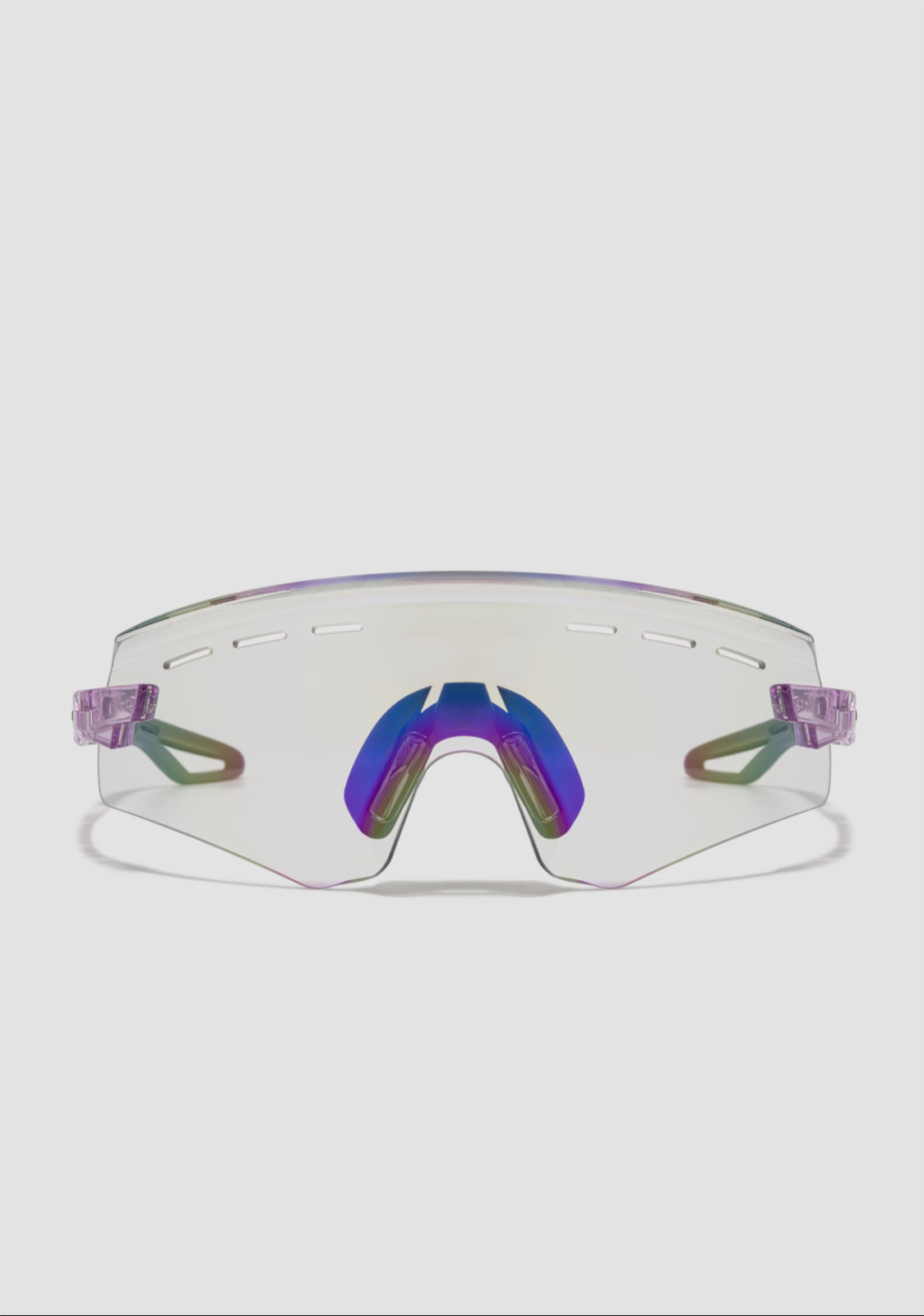
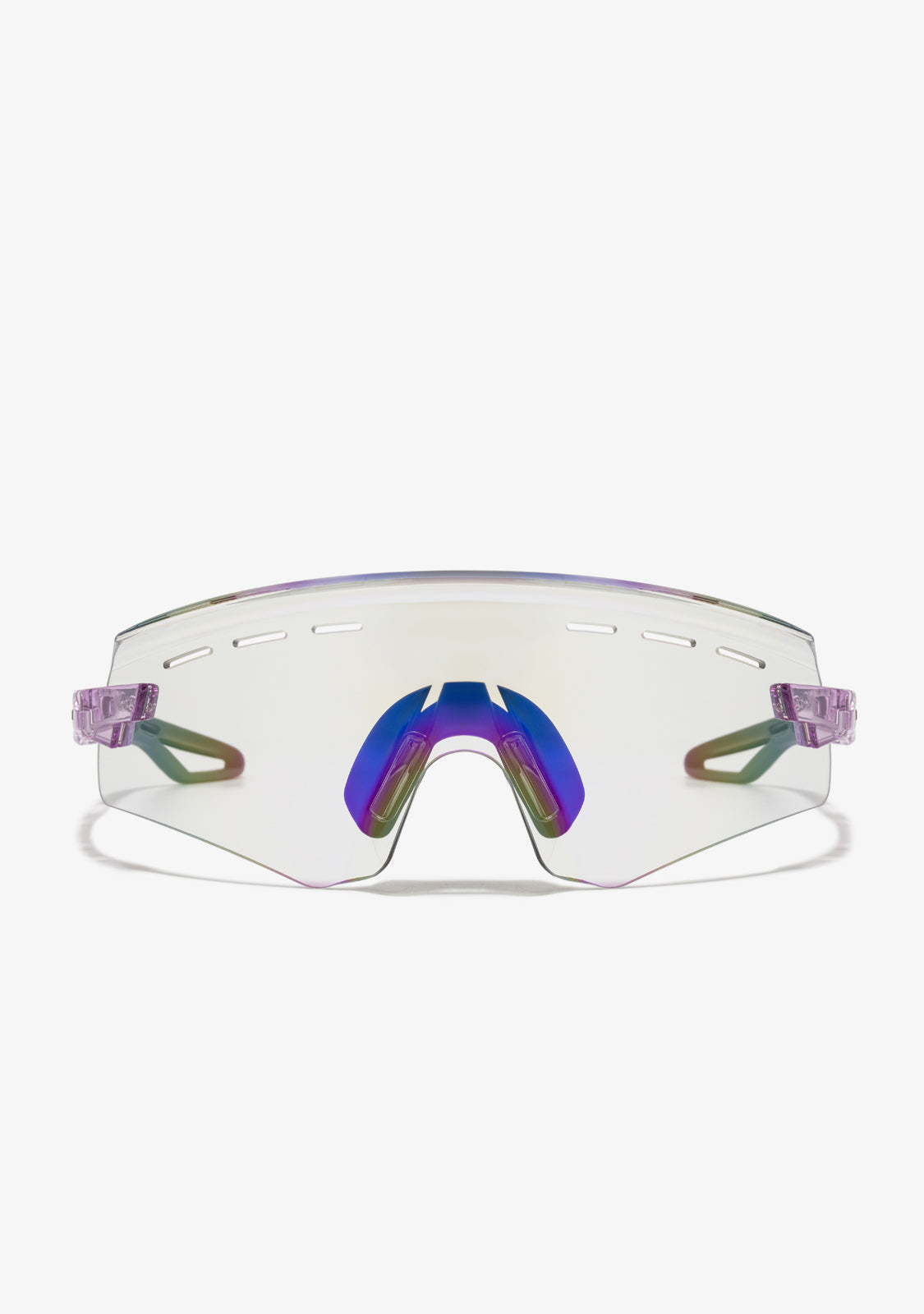


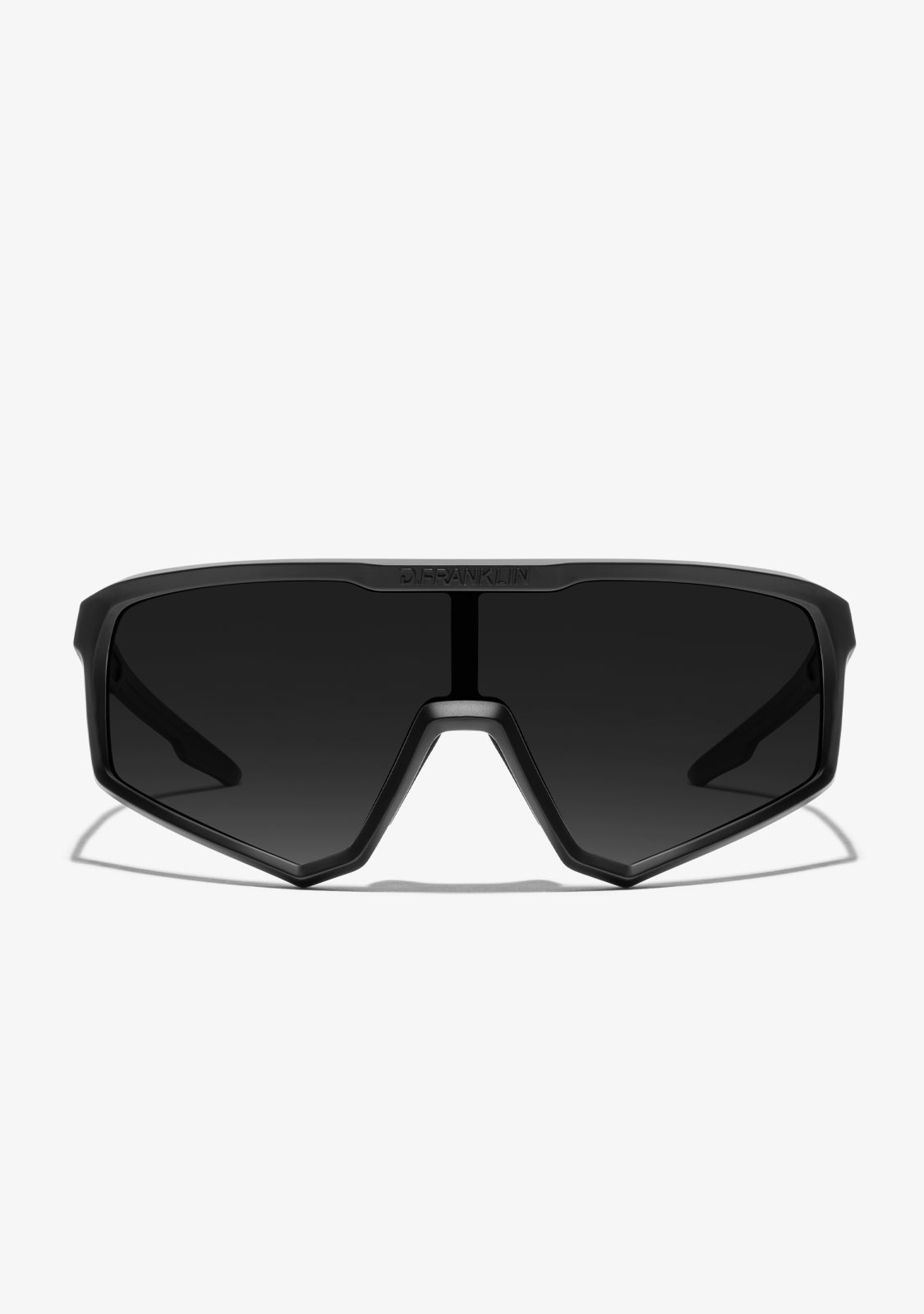
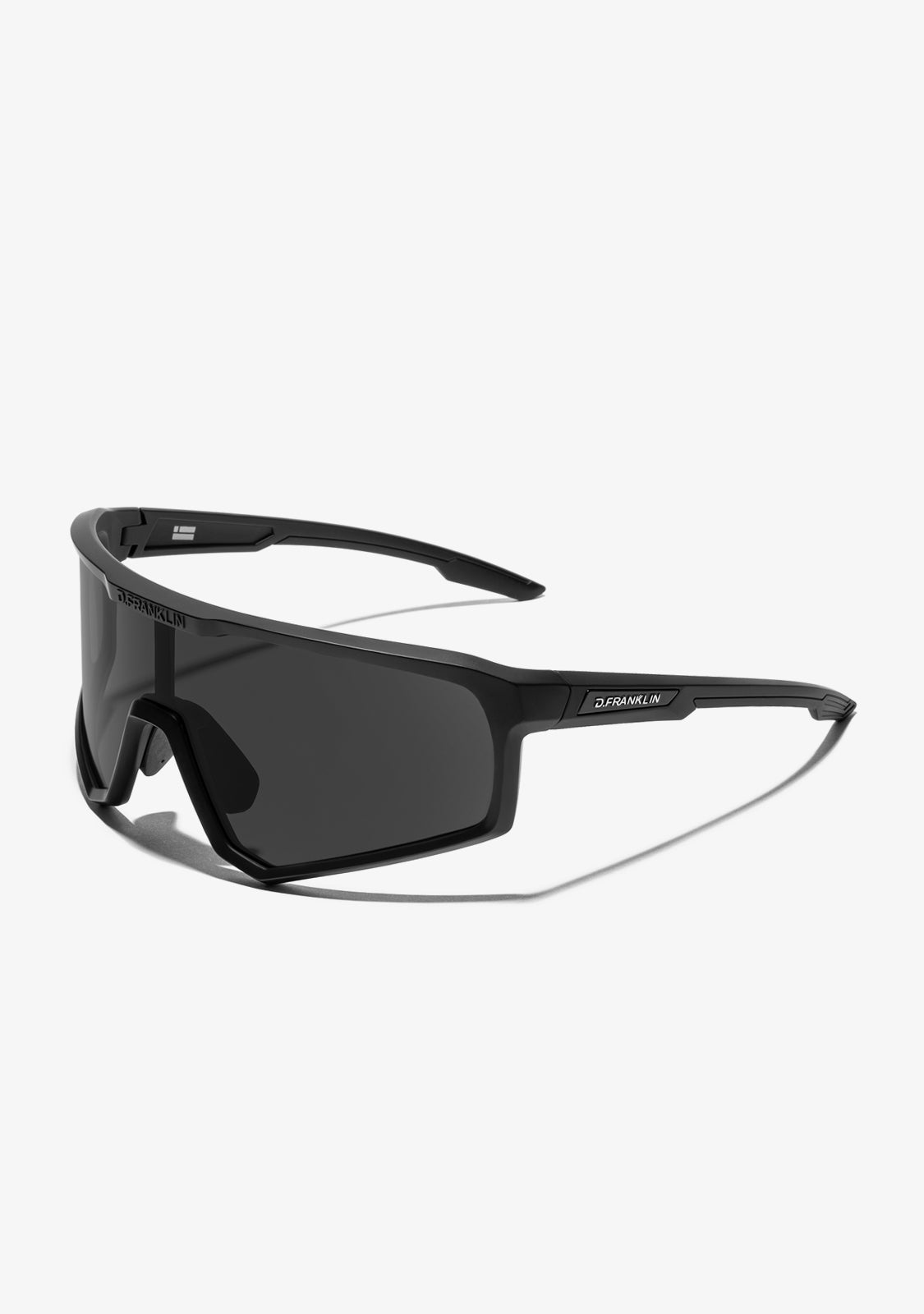


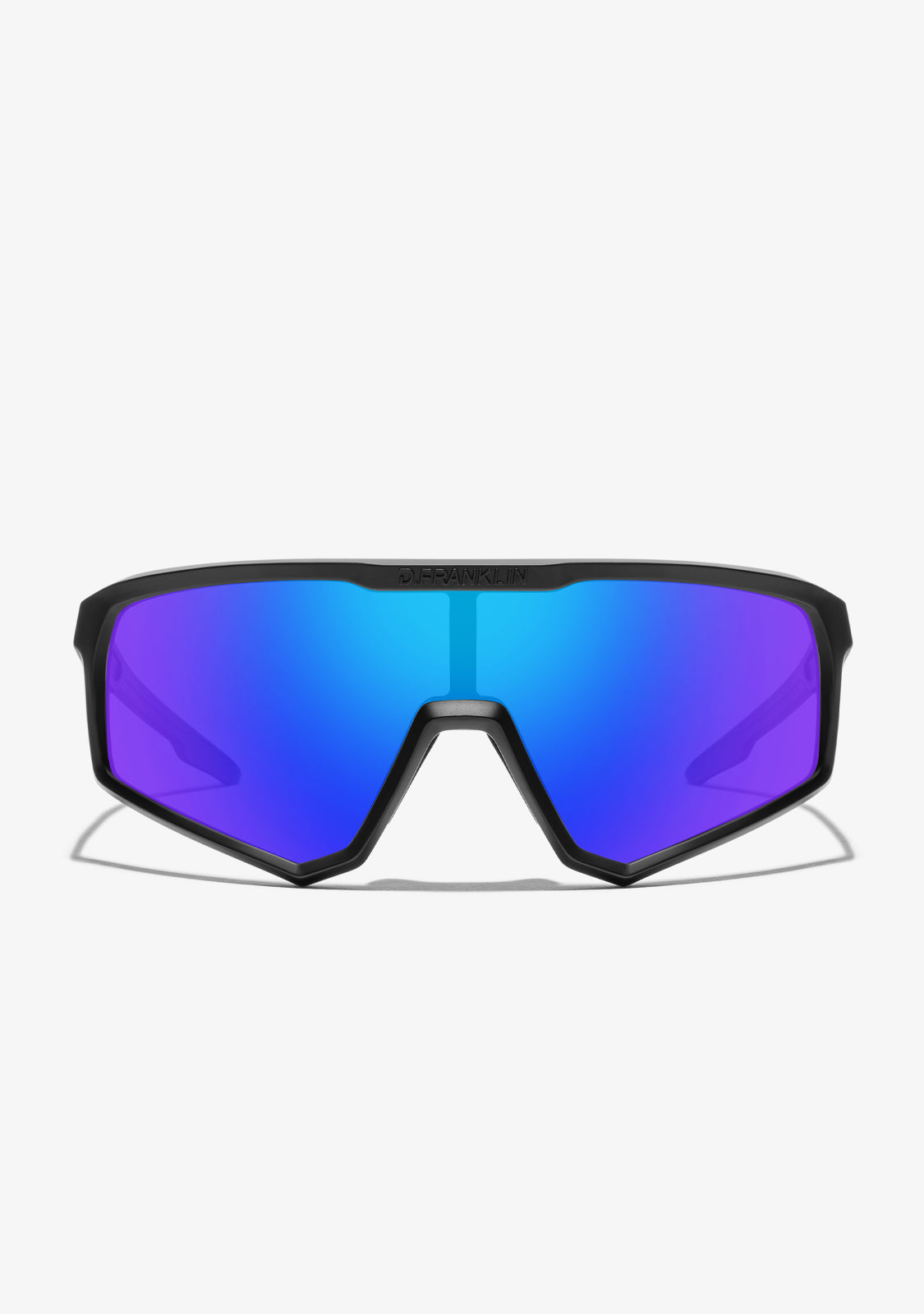
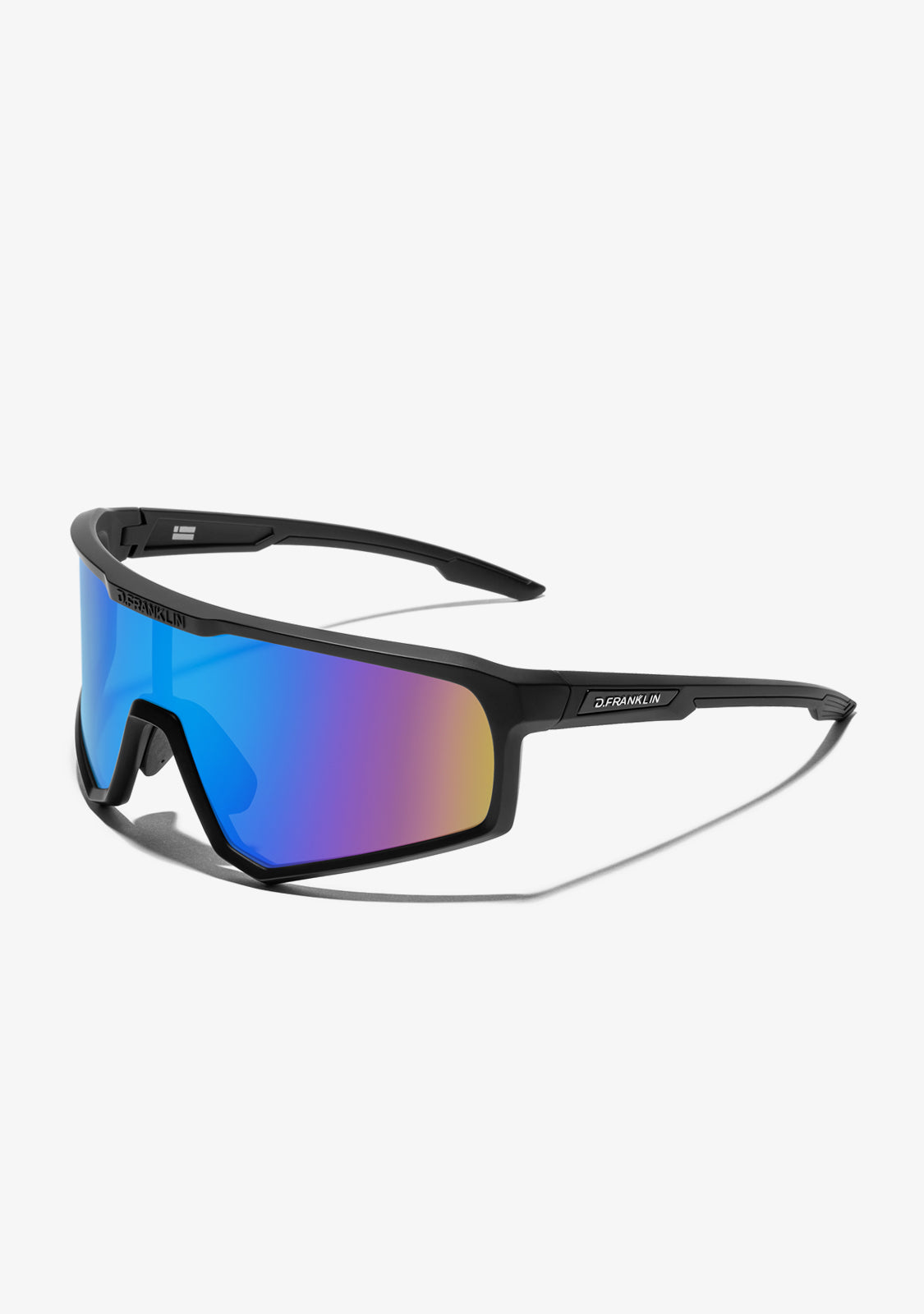
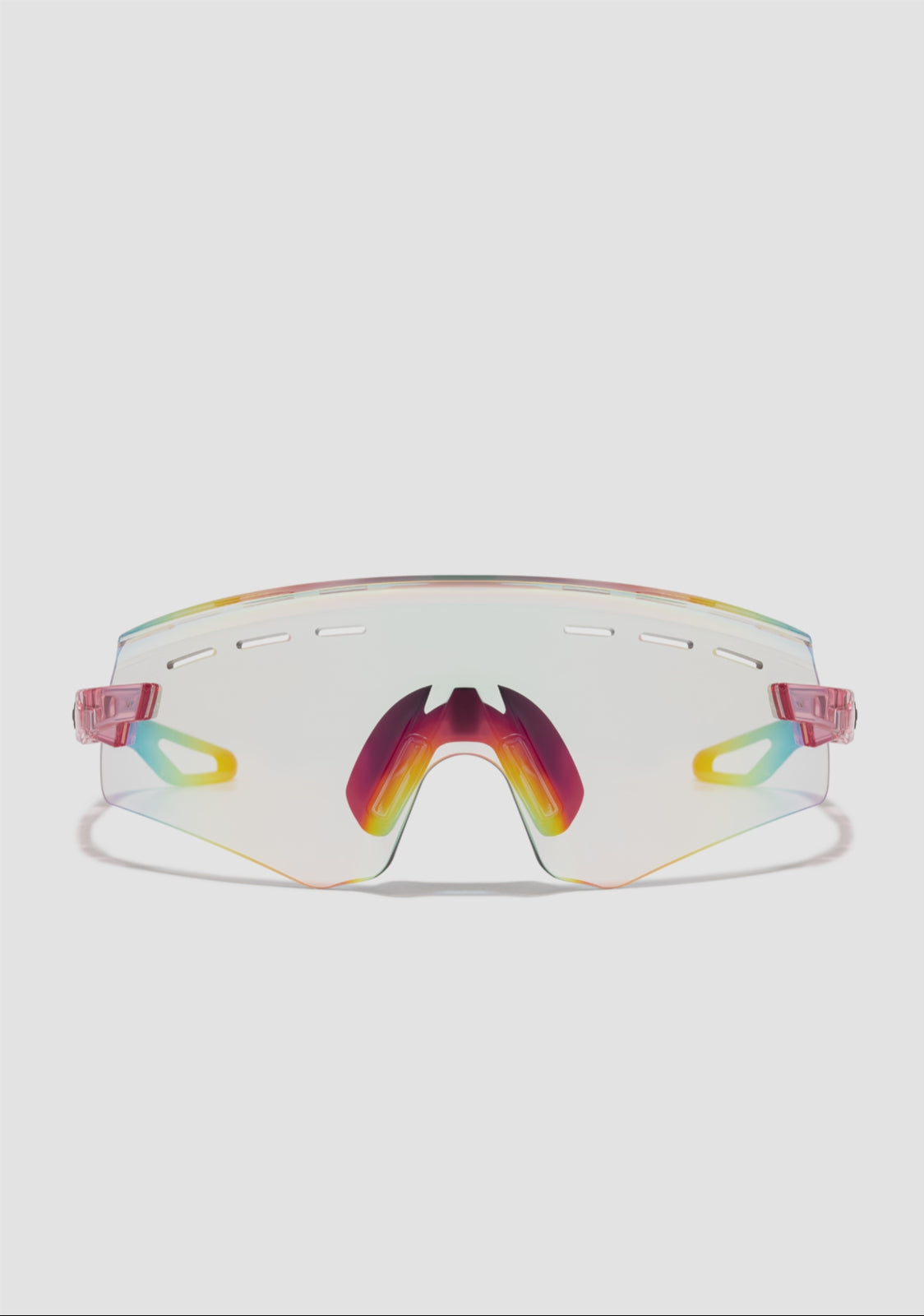
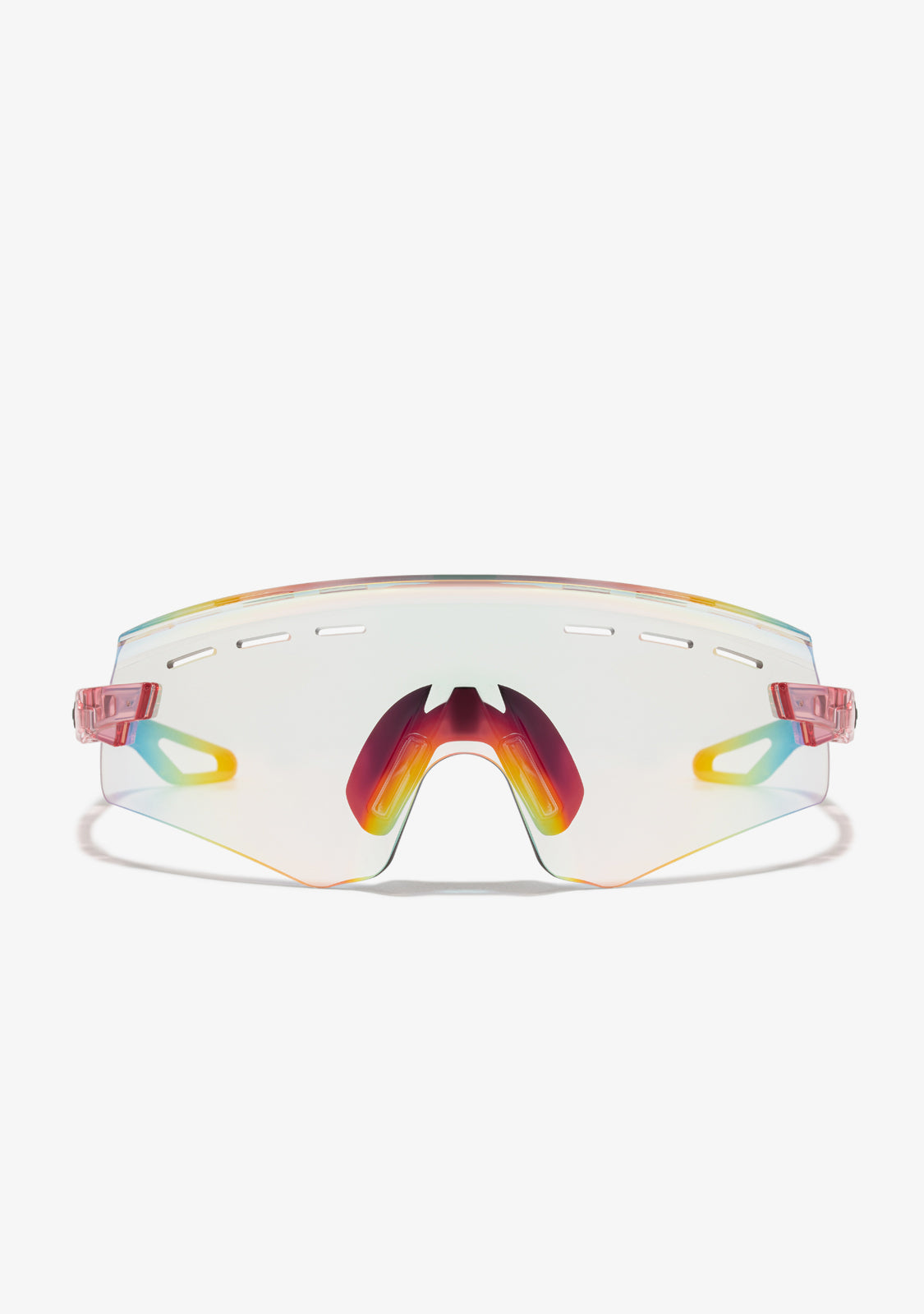
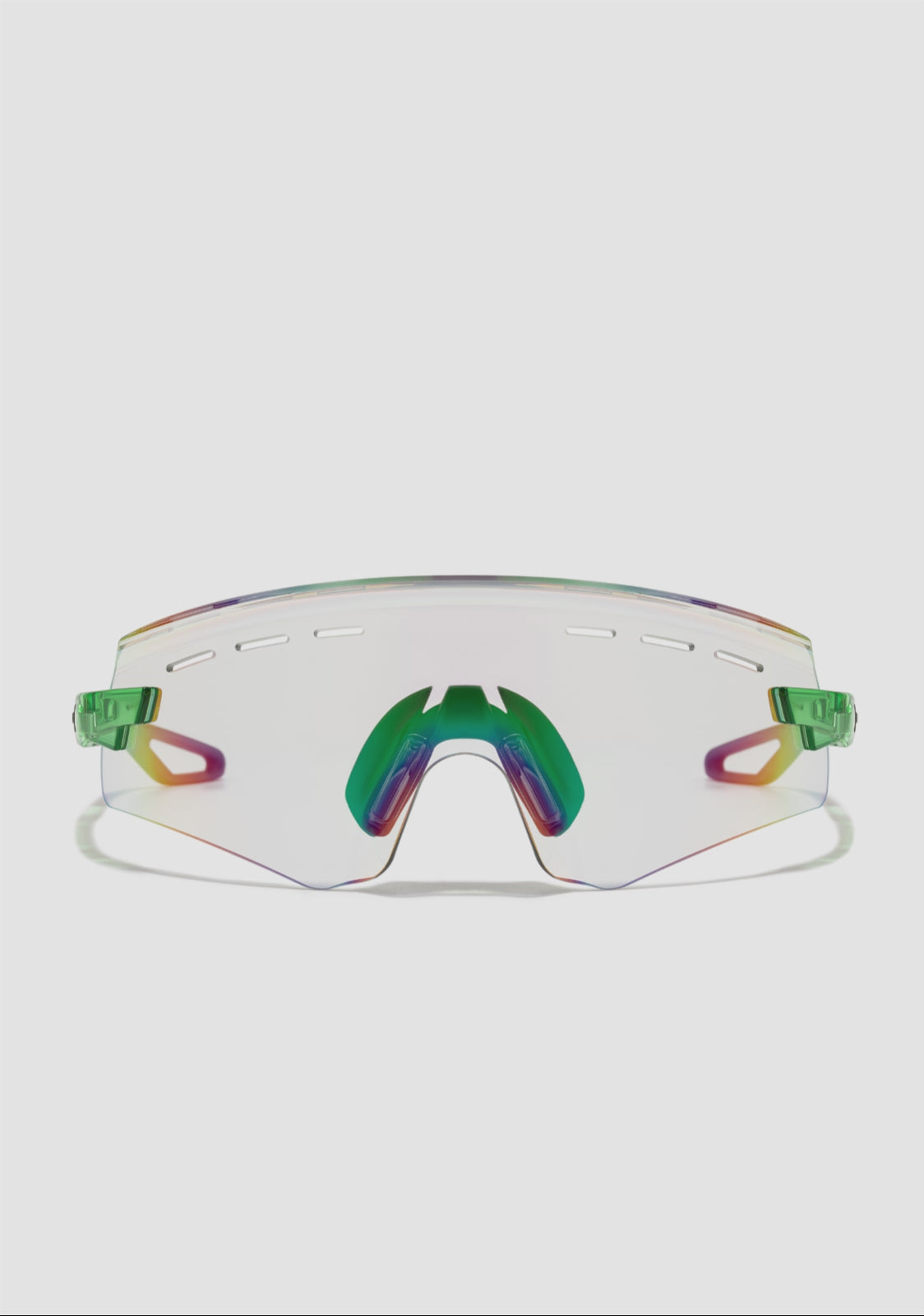
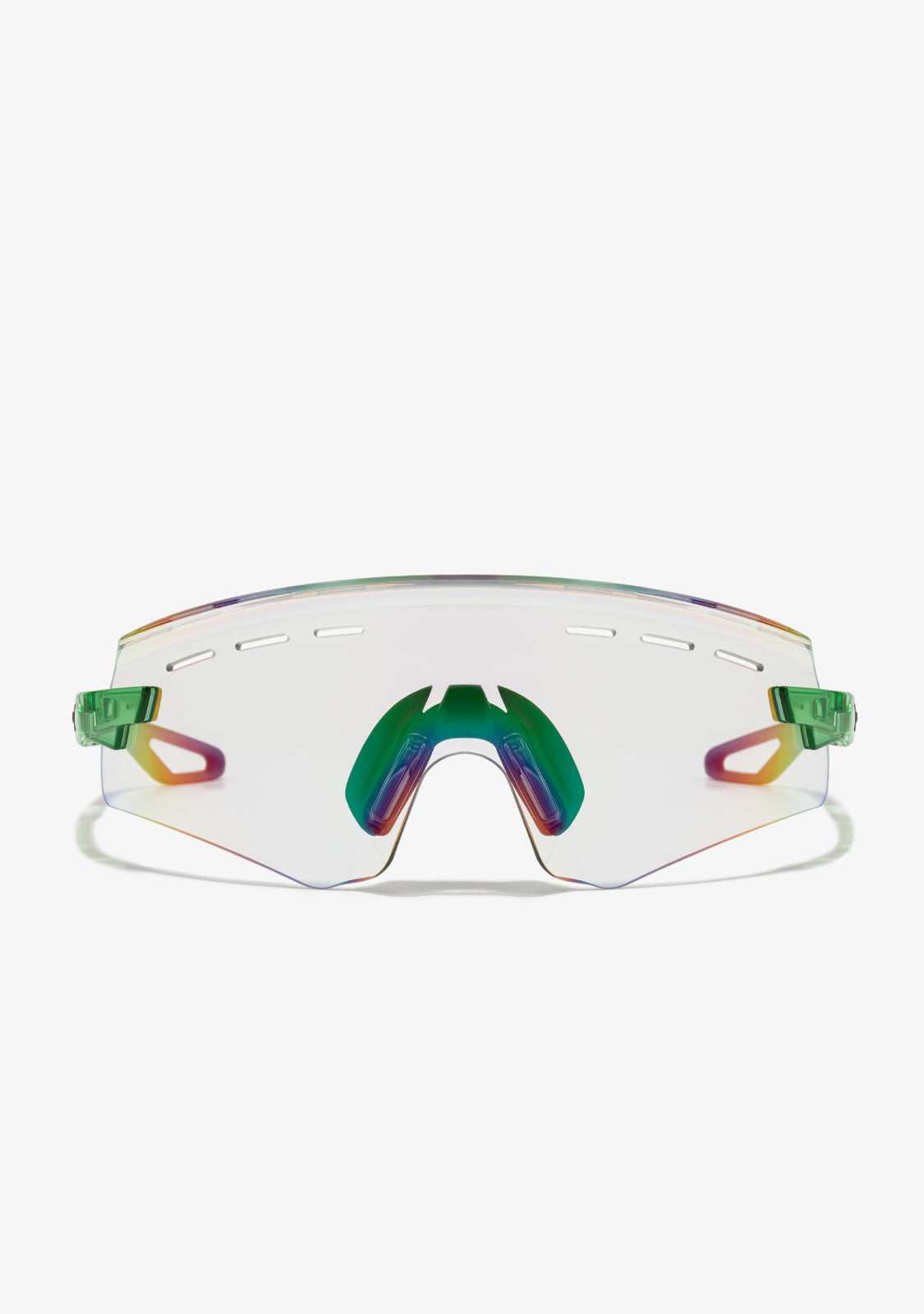


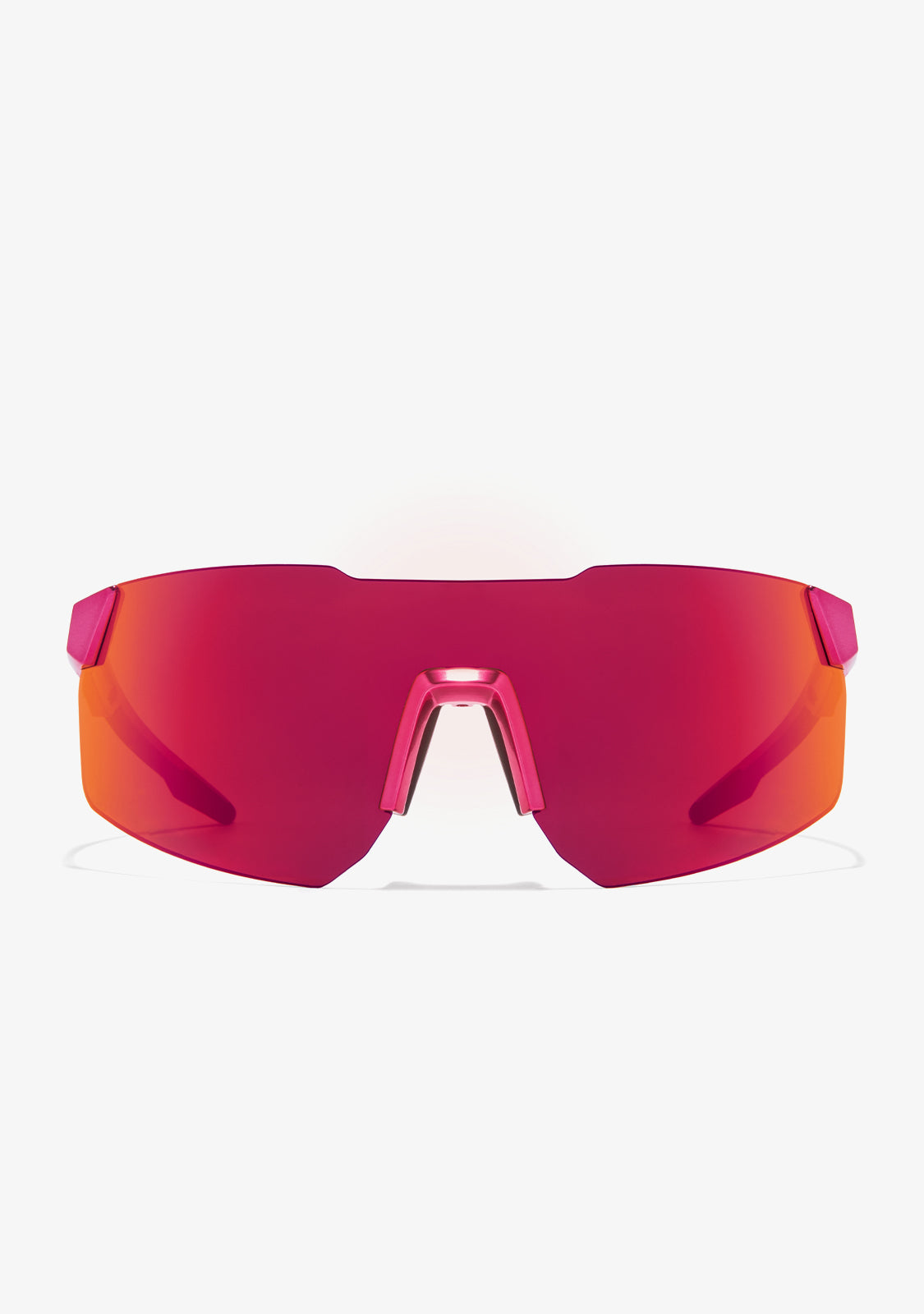
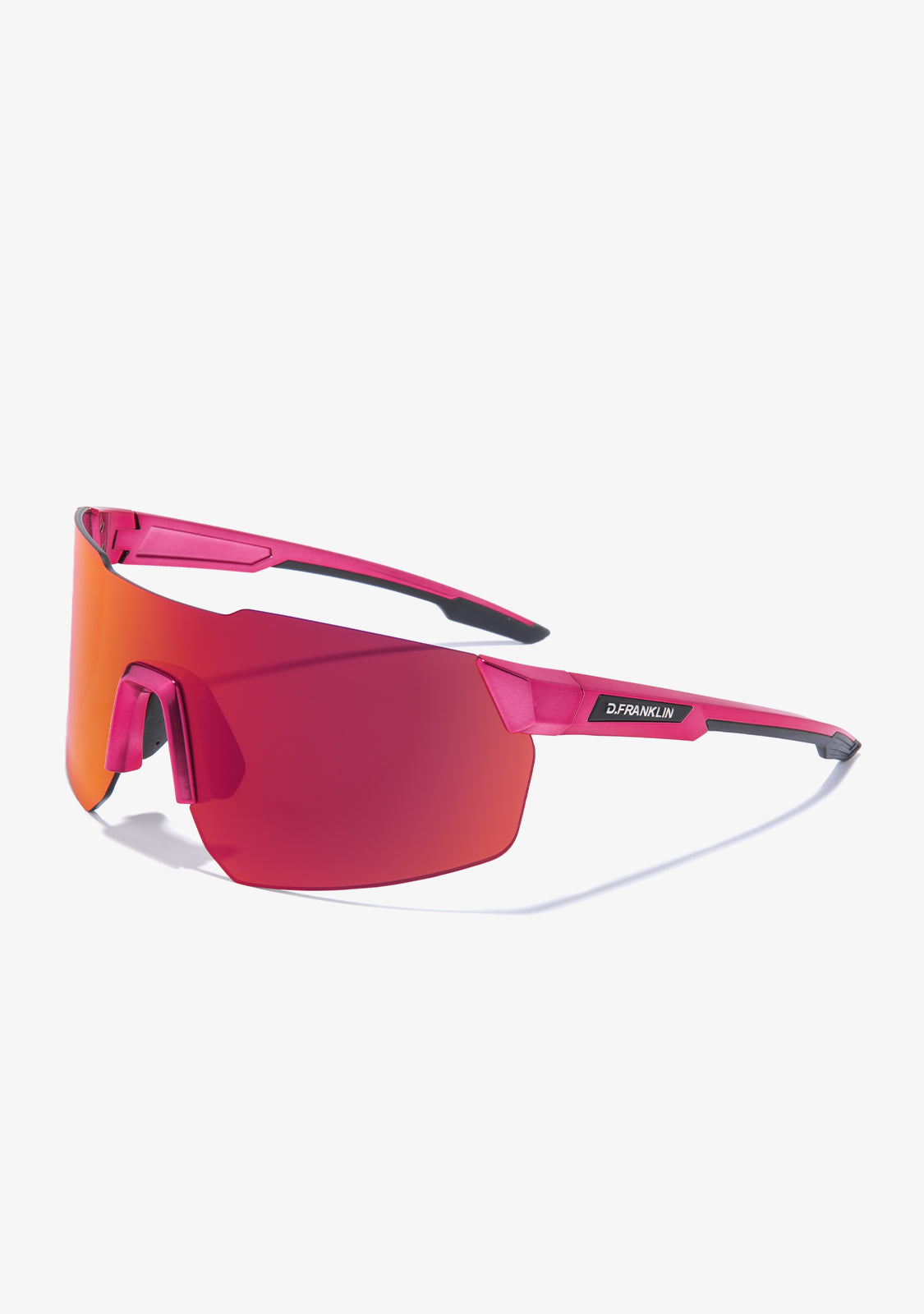


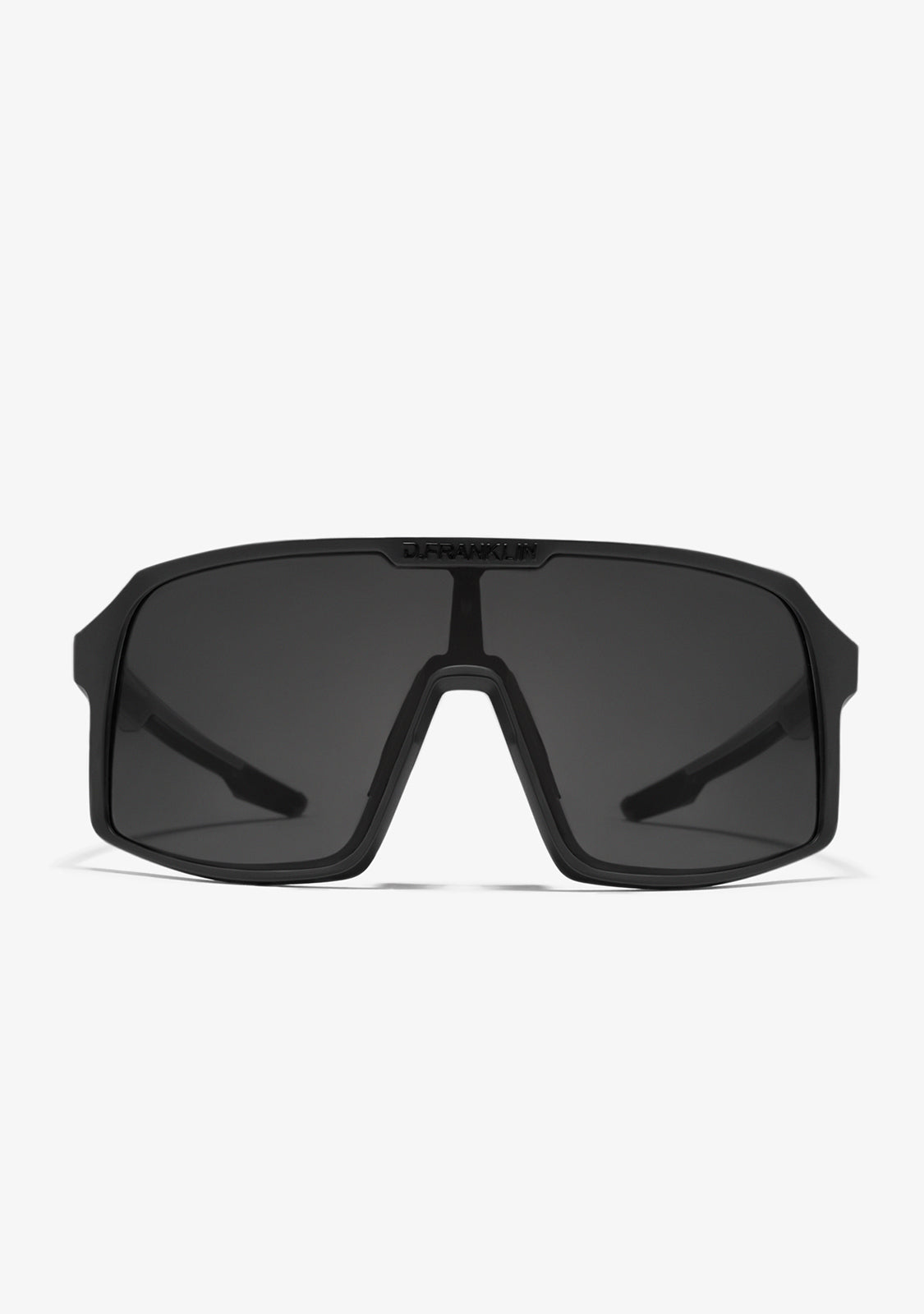
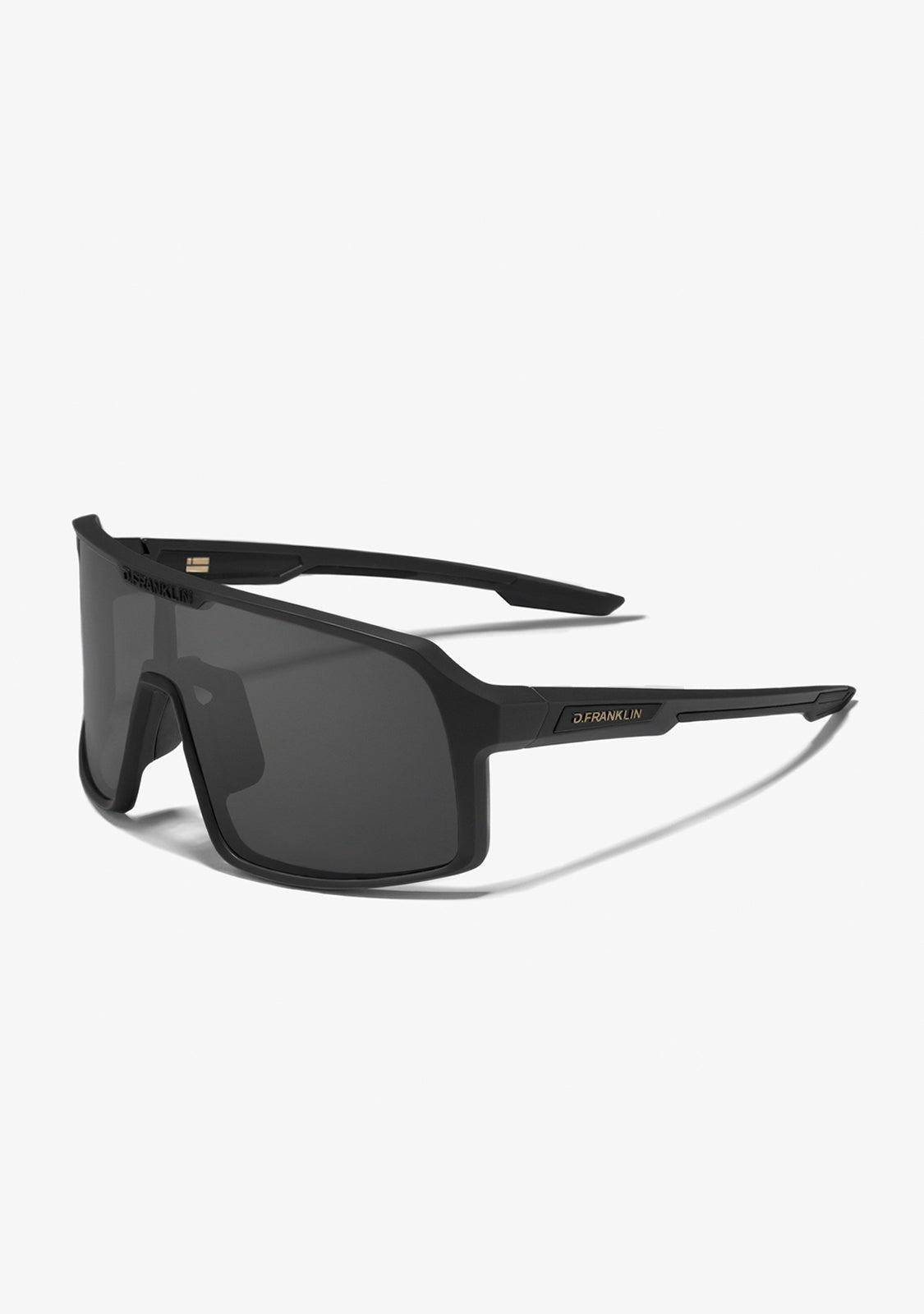


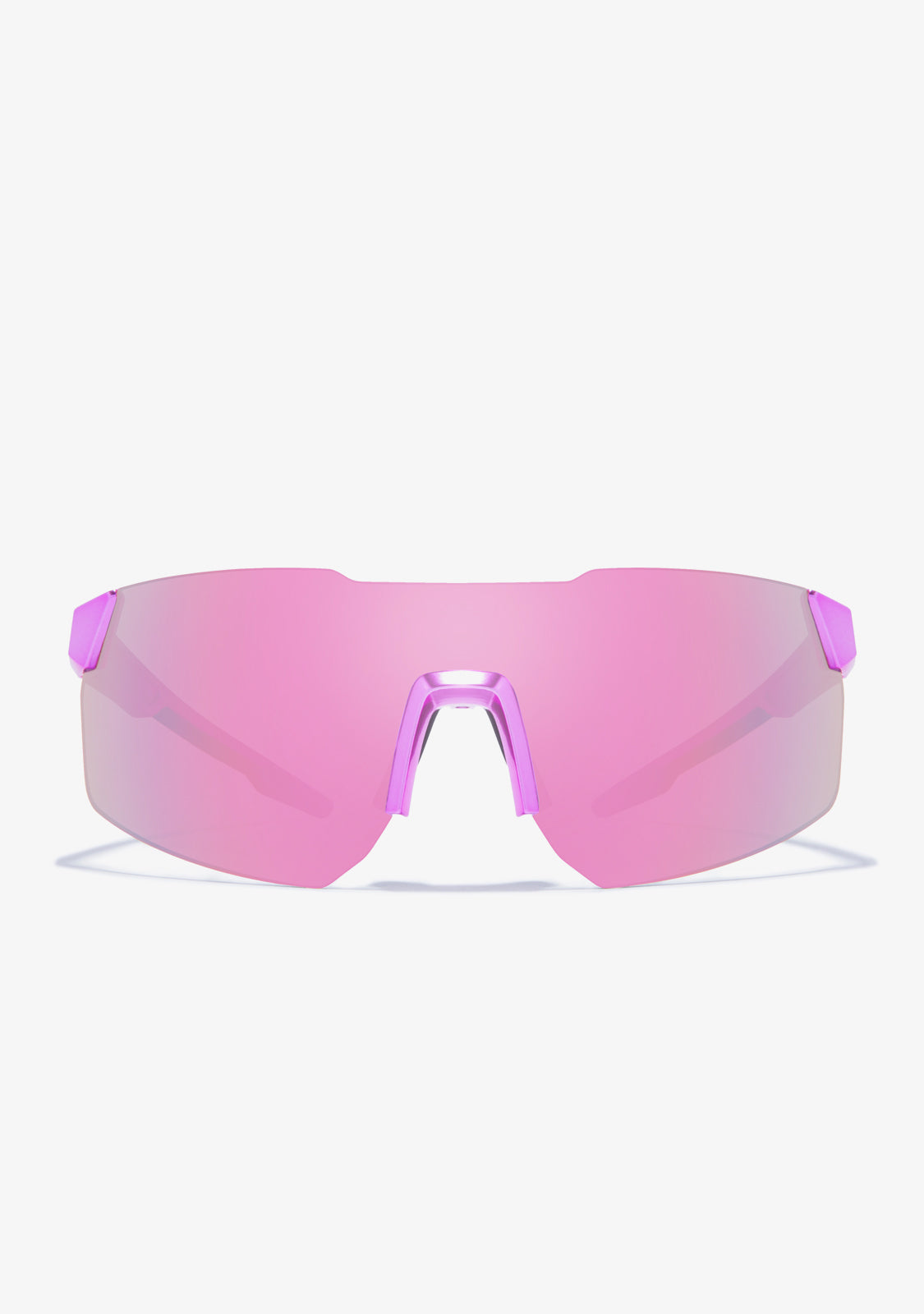
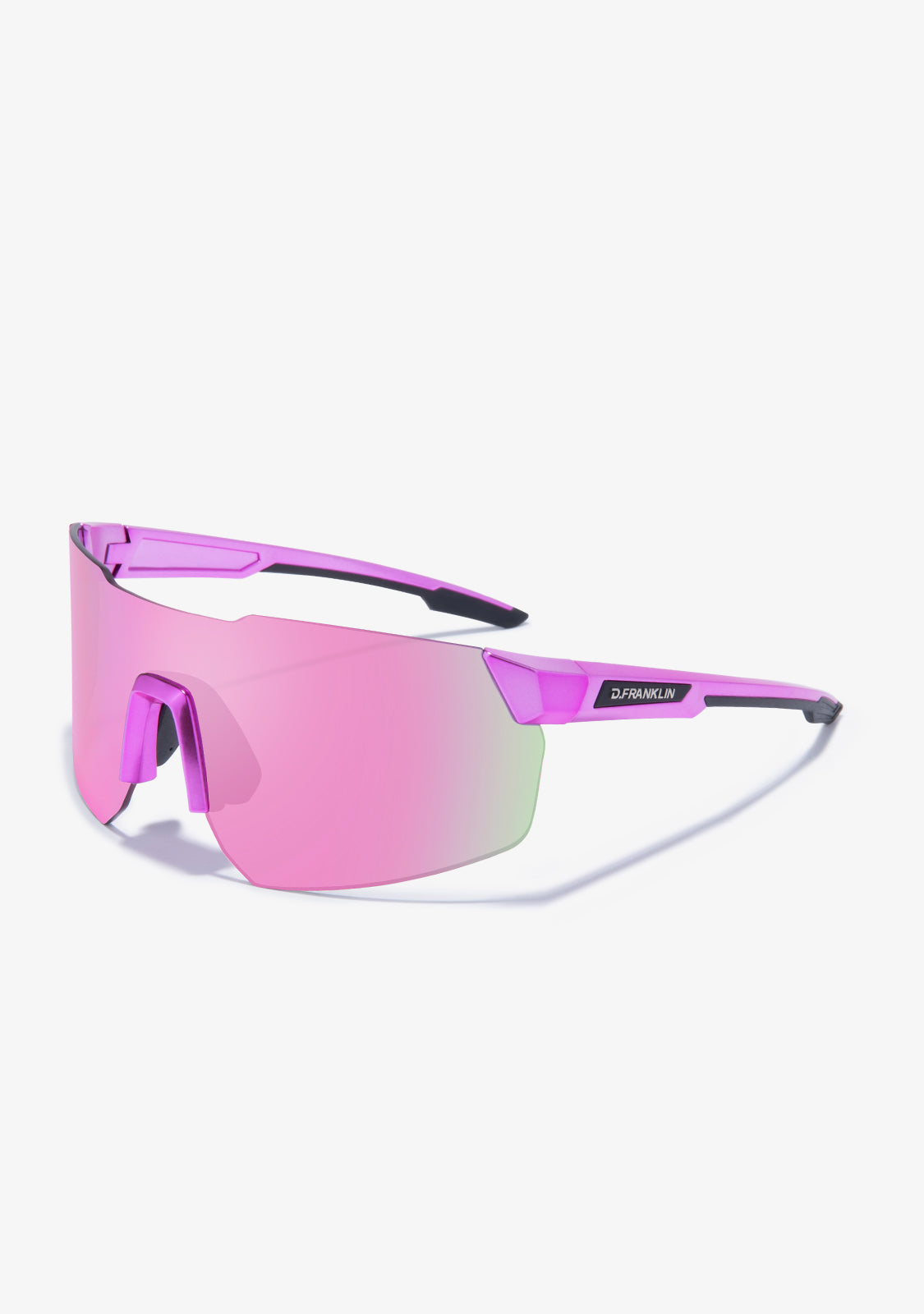
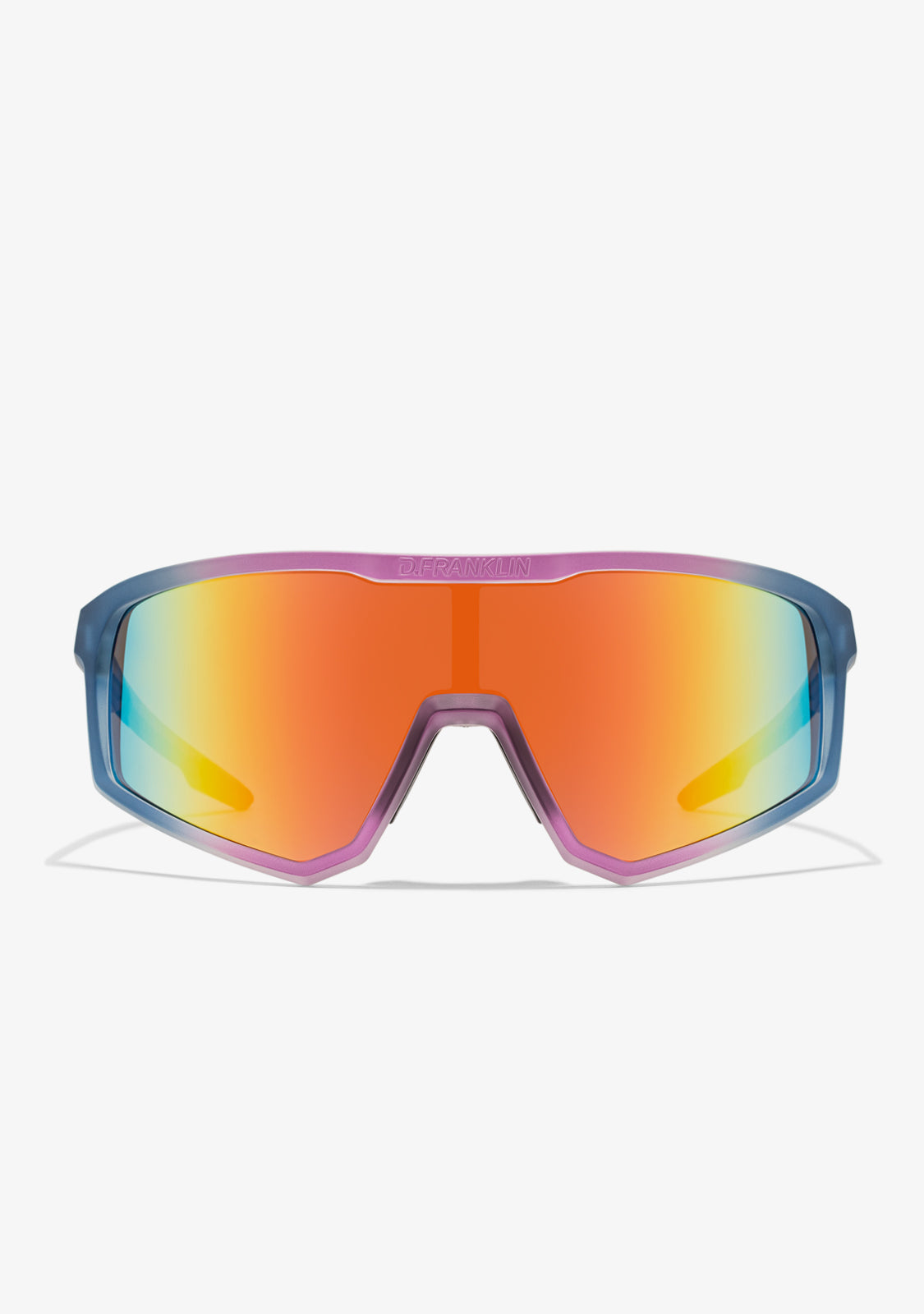
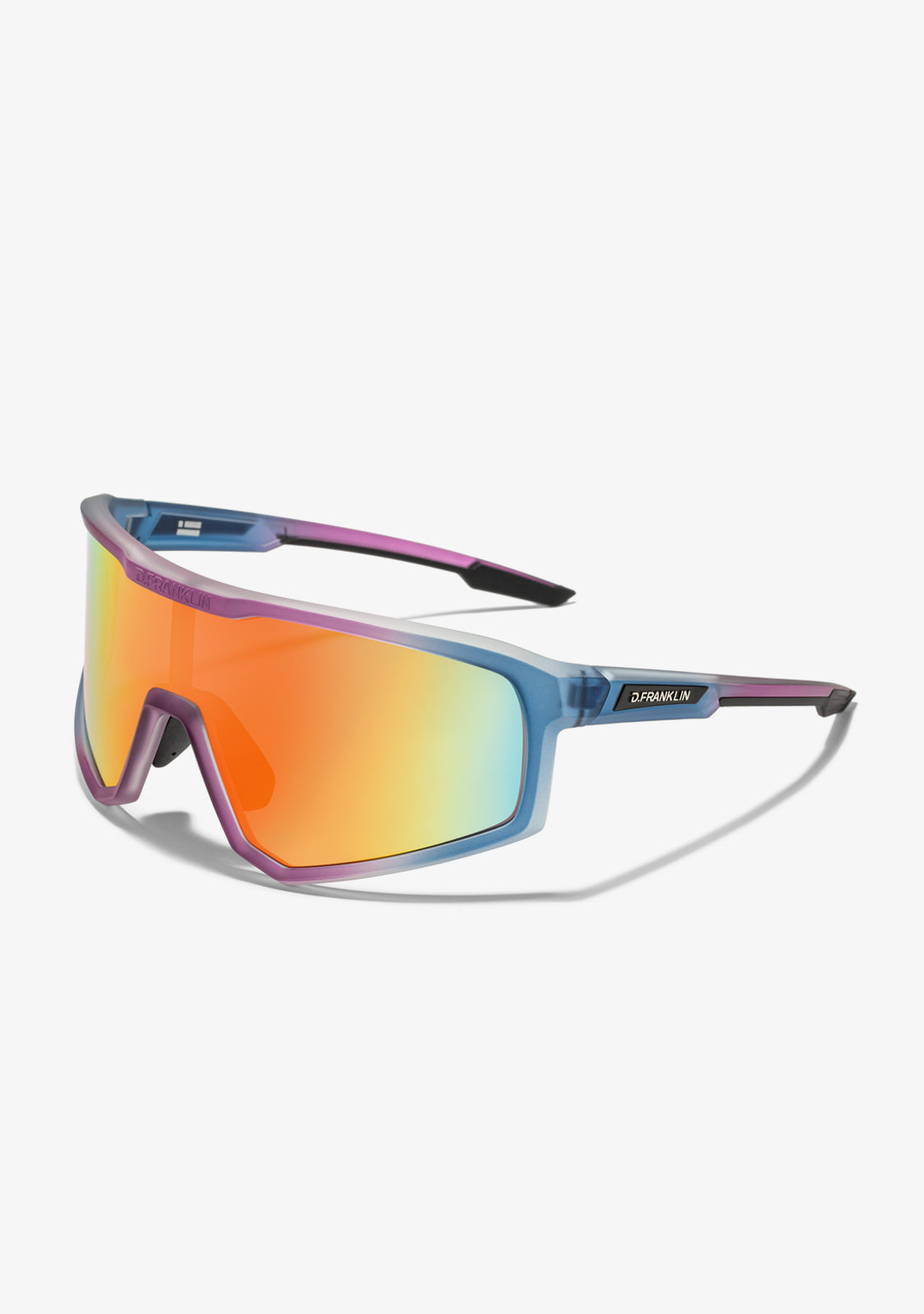
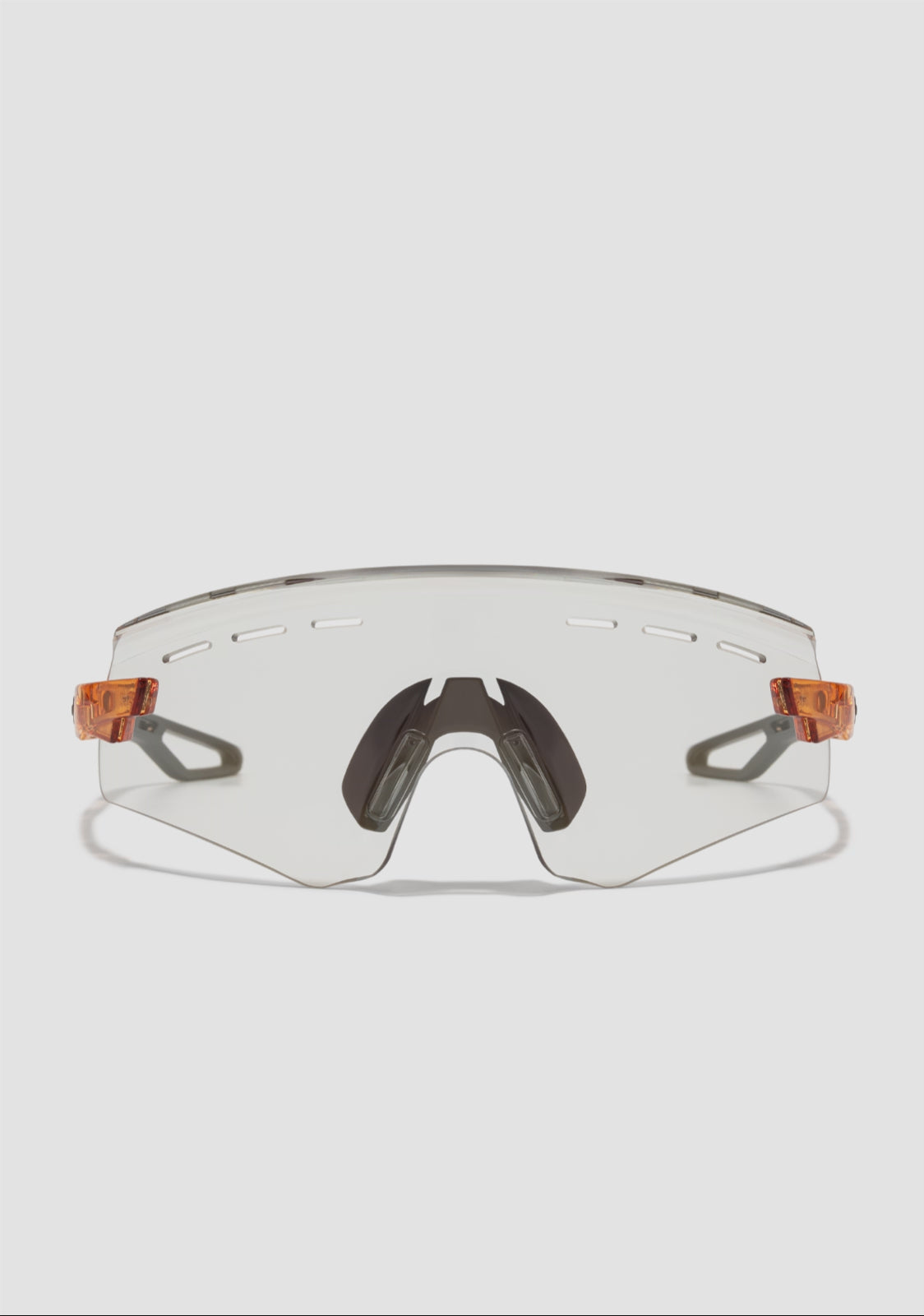
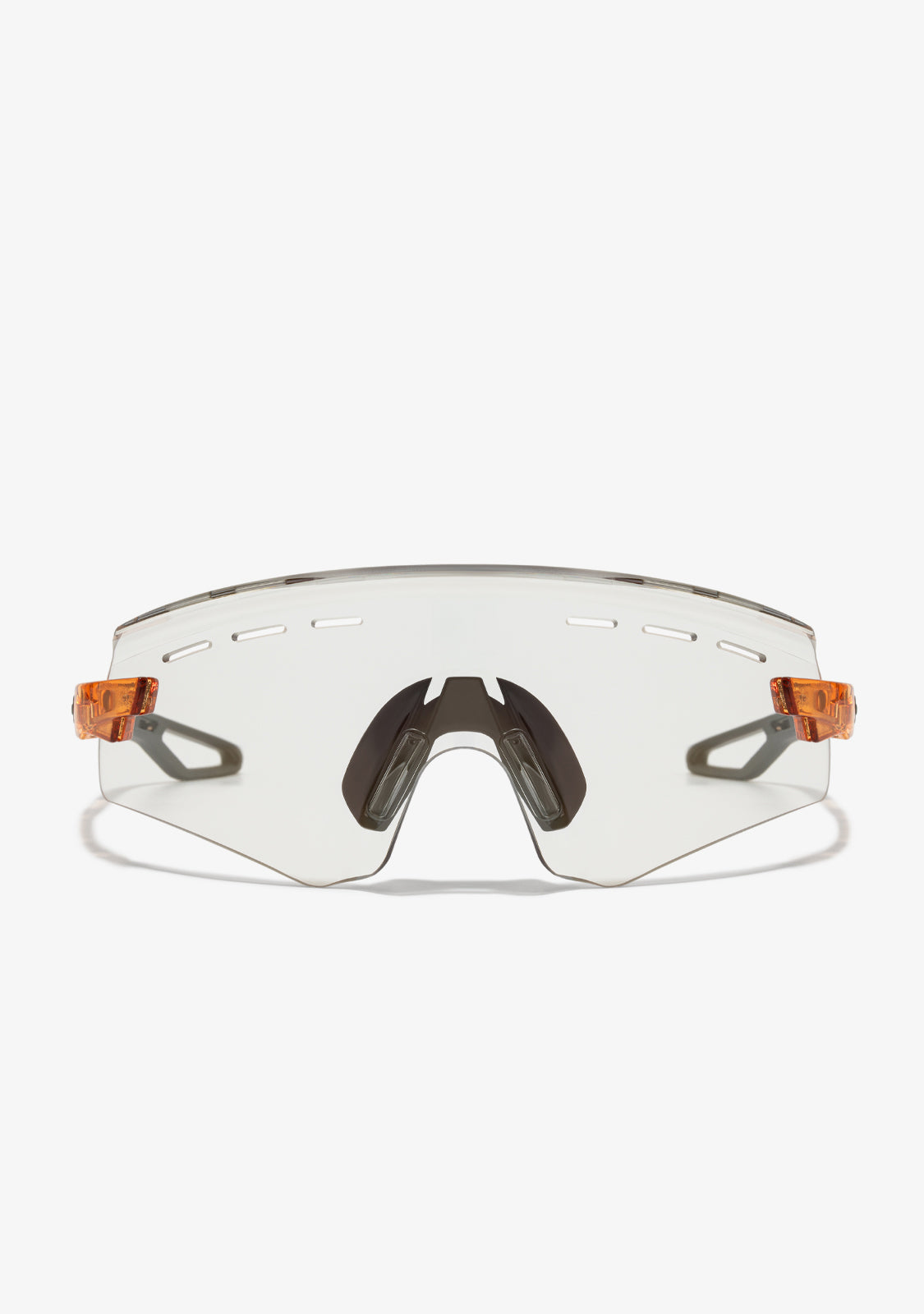
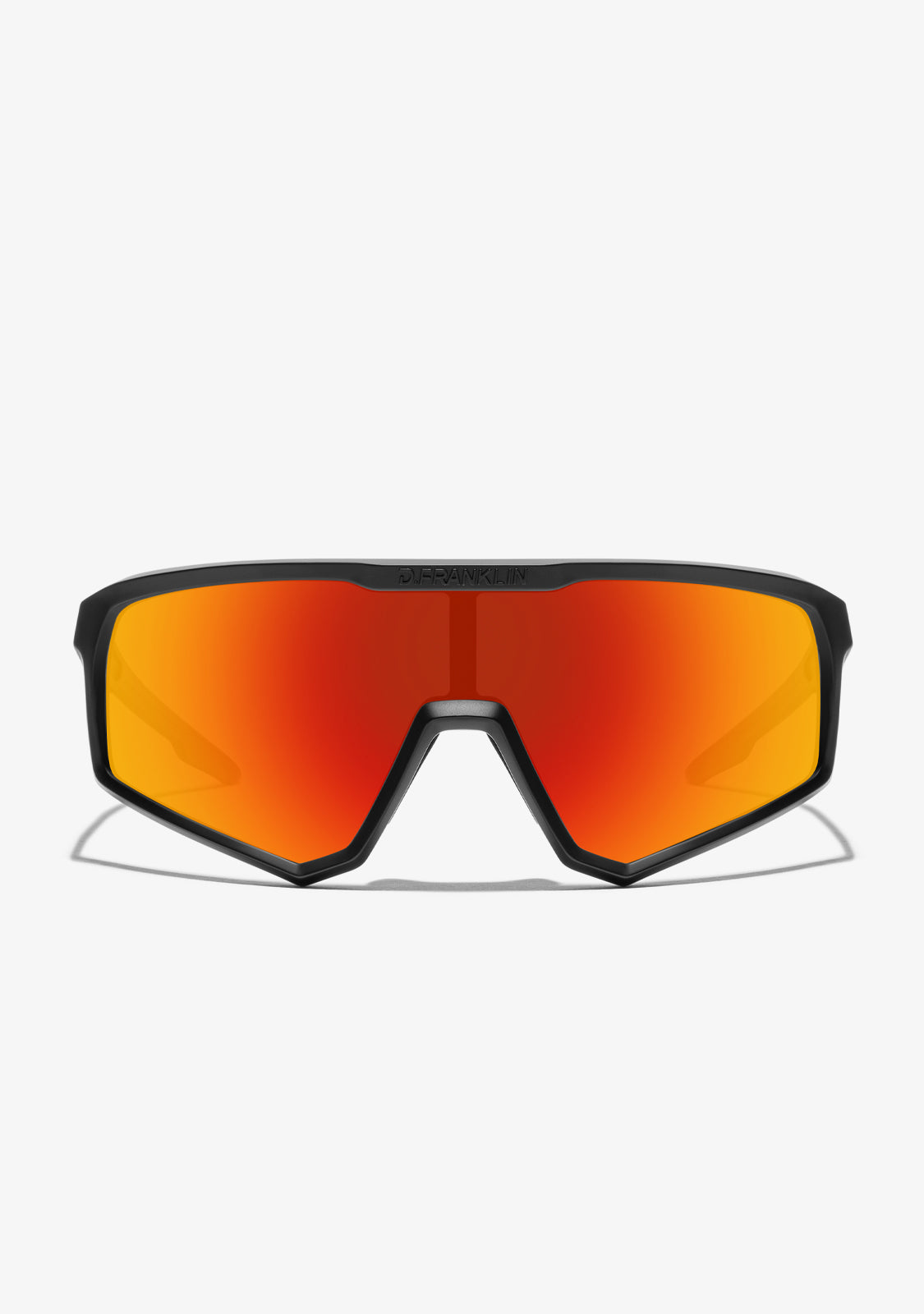
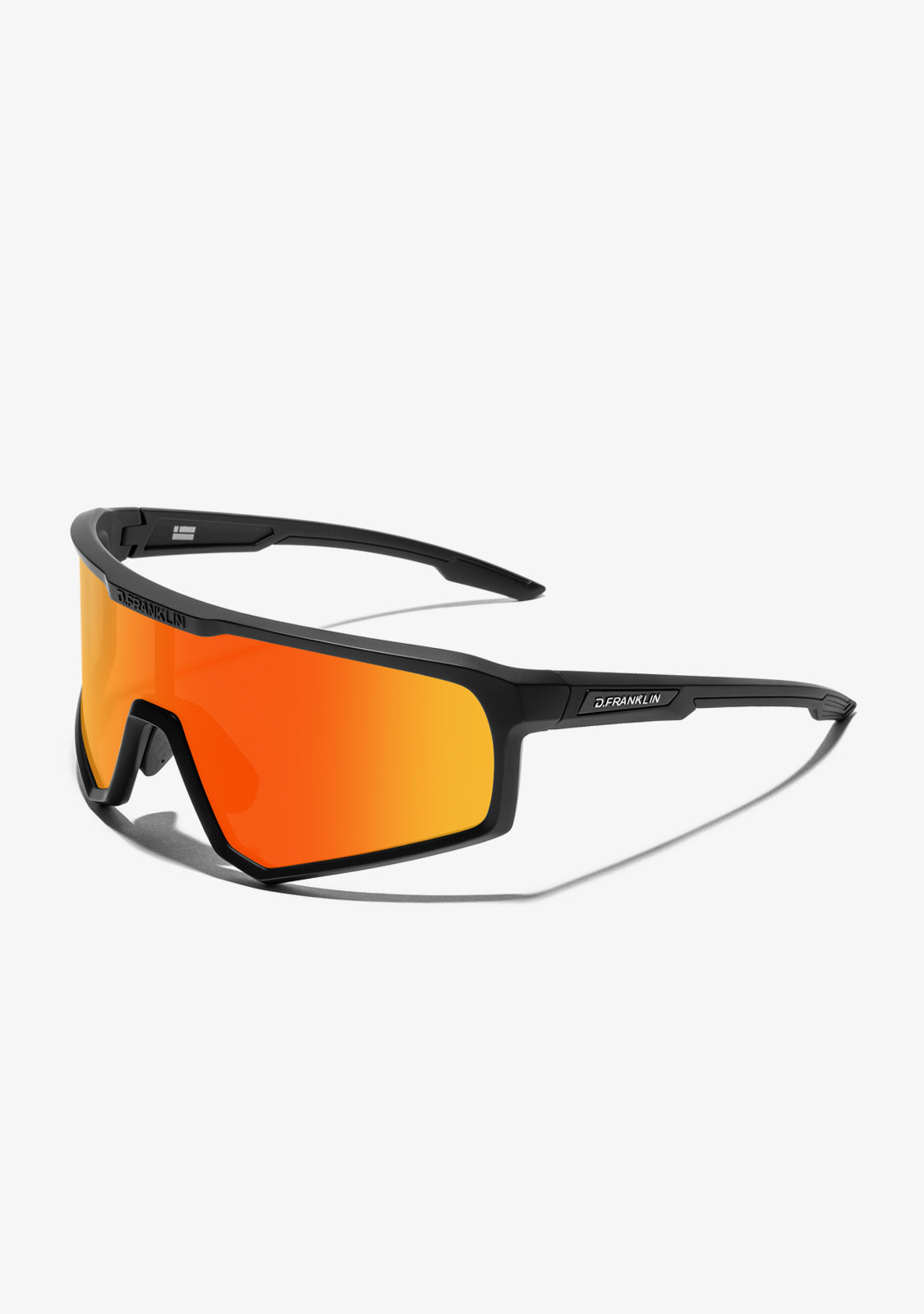
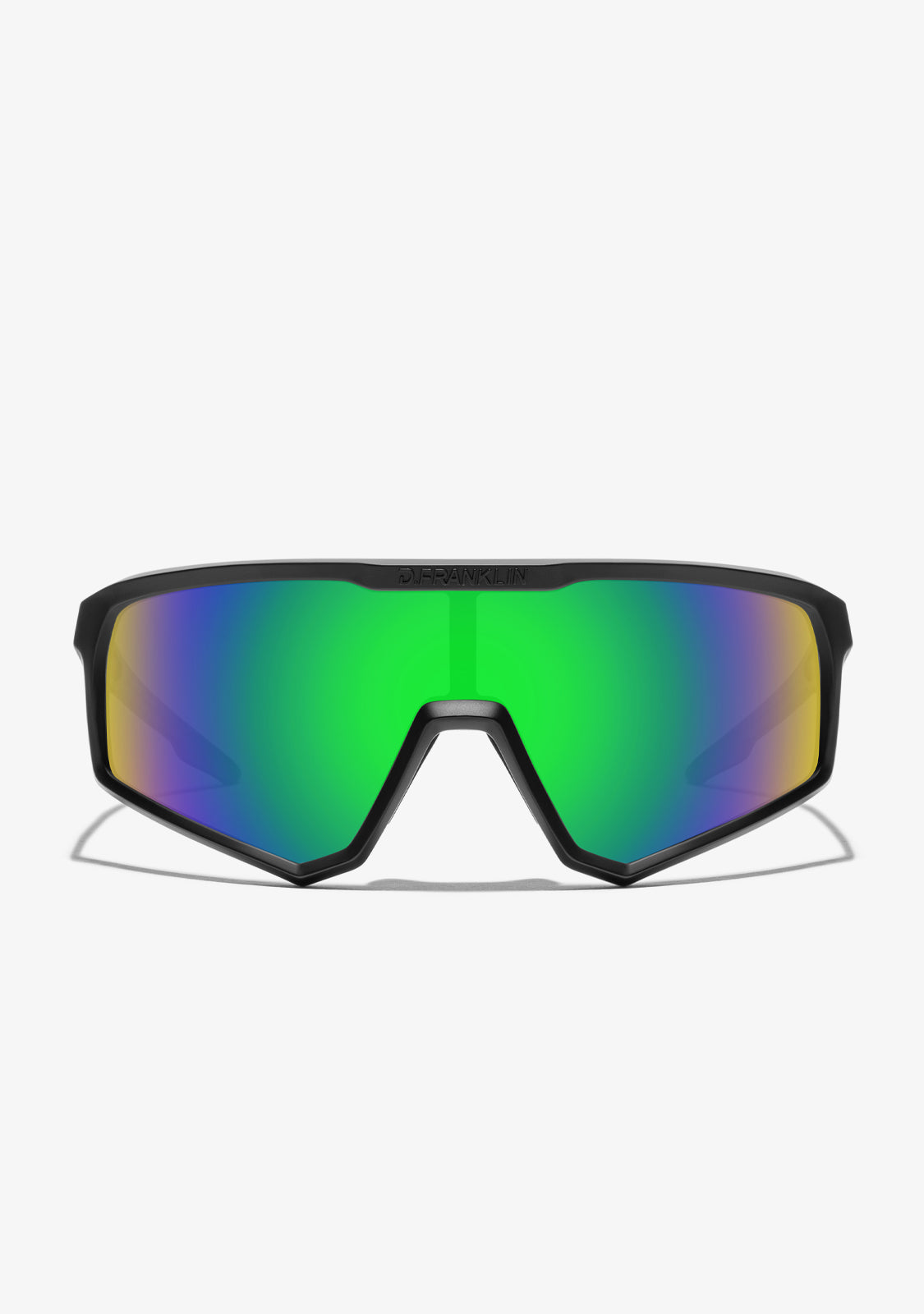
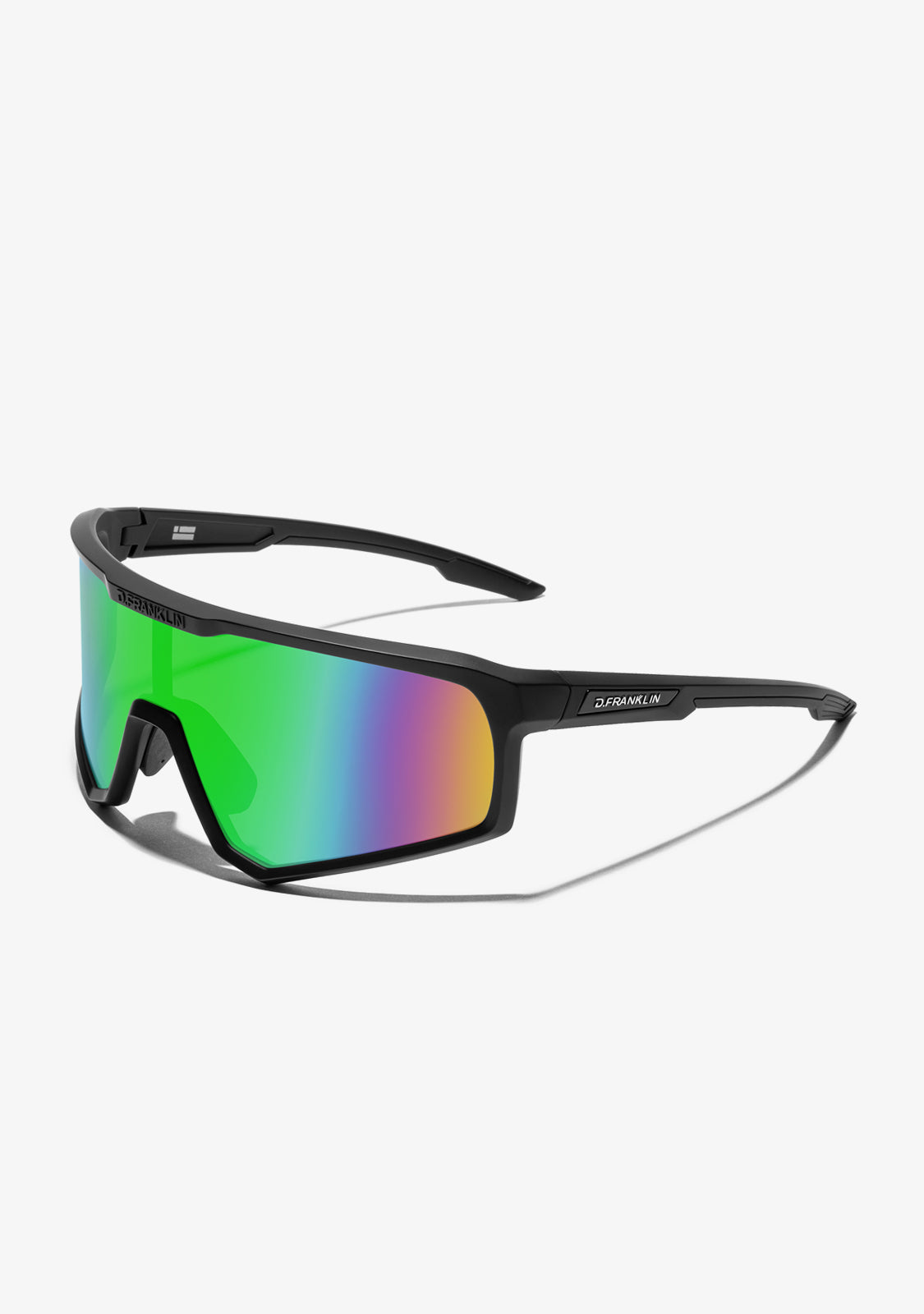
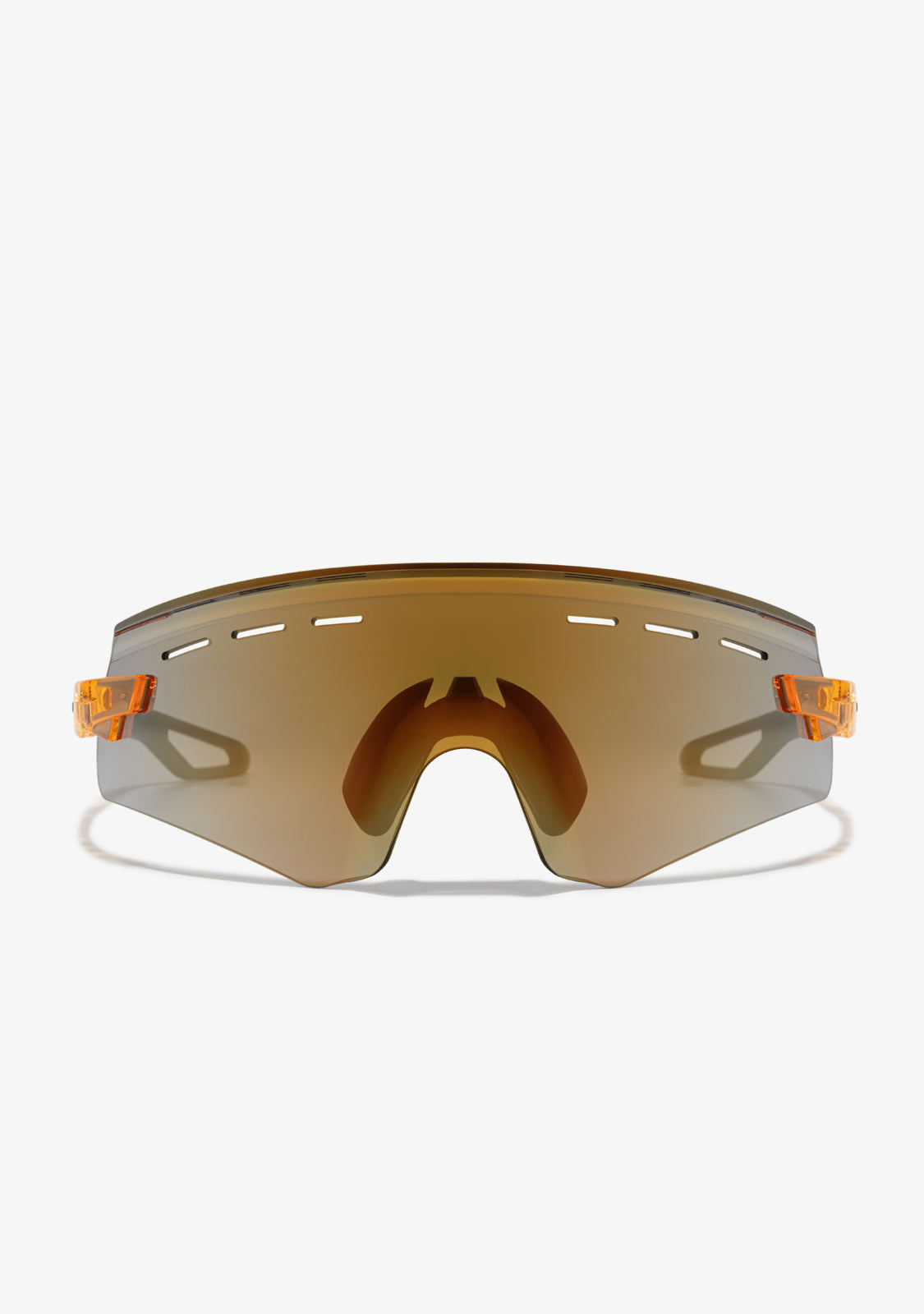
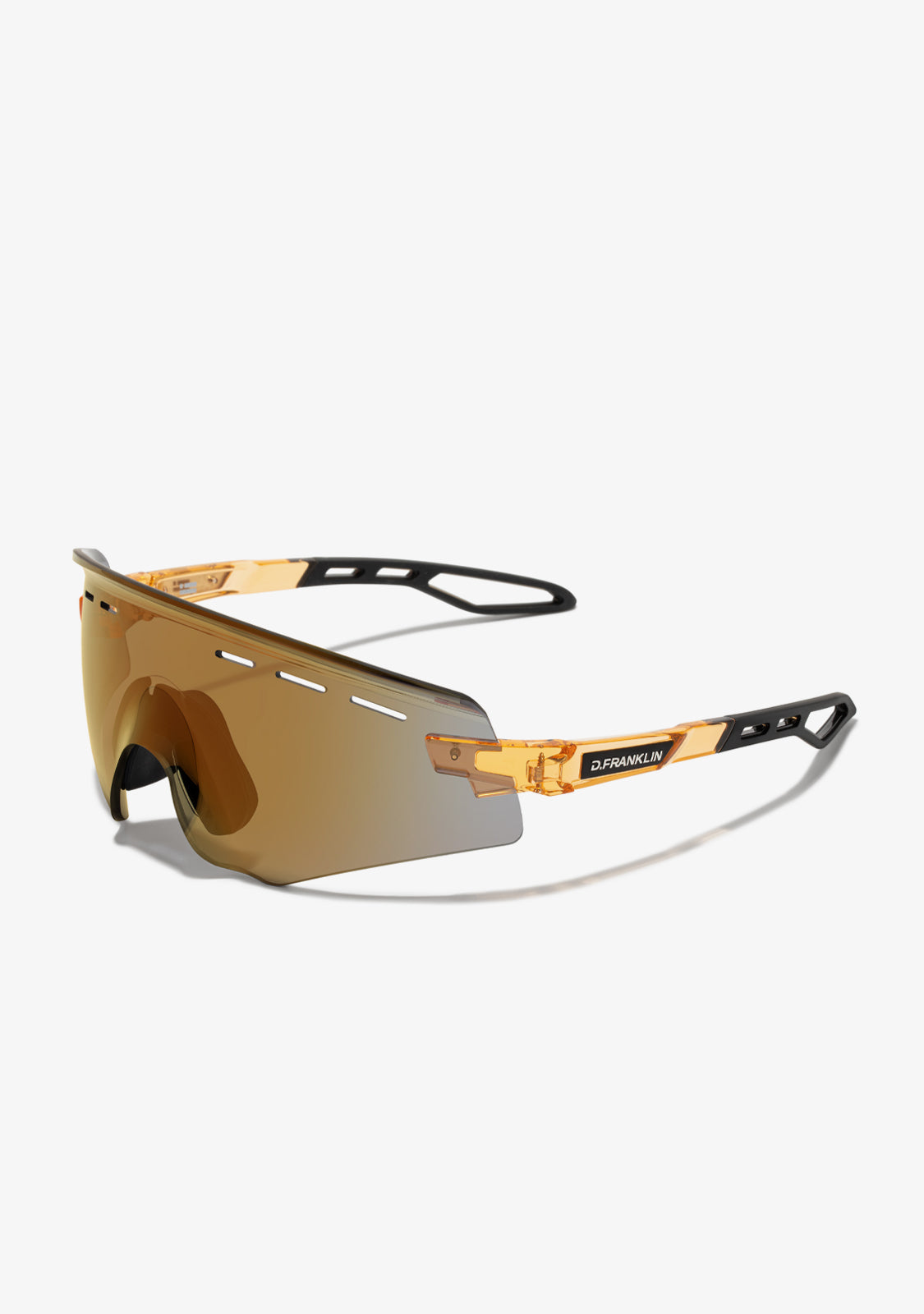
Men's sports sunglasses
The D.Franklin Athletic collection lets you compare sunglasses for outdoor activities by coverage, fit and lenses. Before choosing a colour, consider the length of your route and the changes in light you expect.
A sporty frame does not mean every pair shares the same technology. Check the features and measurements of each finish, including when choosing a unisex design.
A frame that stays in place as you move
Check how the frame sits when looking down and turning your head. The bridge should hold the glasses without pressure, and the temples should not squeeze. With a helmet, make sure straps do not lift the frame or shift the sunglasses.
Posture changes between activities. For running, glasses should stay in place through repeated small impacts; on a bike, check your field of view with your torso tilted and your eyes looking forward. Try them with your usual equipment in both cases. A frame that fits without a helmet may experience pressure once straps or contact points are added.
Polarisation, photochromism and filter category
To reduce reflections from roads or water, compare polarised sports sunglasses. For changing light, explore photochromic sports sunglasses and check the range of their lenses.
The filter category describes light transmission and should be considered separately from UV protection. For routes through open ground and vegetation, compare further options in trail running sunglasses.
Compare useful coverage rather than apparent size alone. A wraparound front may sit differently near cheeks or eyebrows depending on your face. Check that it does not touch when you smile and allows the clearance intended by the design. Do not infer impact resistance, ventilation or anti-fog treatment simply from a sporty silhouette.
How to compare two frames
- Use the frame width of comfortable sunglasses as a reference.
- Compare side coverage and the gap between lenses and cheeks.
- Check the bridge and temples with the helmet you will wear.
- Read the lens features: a mirrored finish does not establish polarisation.
Looking after lenses and contact pads
After exercise, check the lenses and contact points for dirt. Follow the cleaning instructions without rubbing dry particles across the surface. Store the sunglasses in their protective case or pouch and keep them away from dashboards and direct heat.
Questions about men's sports sunglasses
How can I compare sports glasses for different activities?
List the usual light, posture and equipment for each activity, then check fit and lenses against those needs. A shared sporty appearance does not mean two designs offer the same coverage, helmet compatibility or technical features.
Are all sports sunglasses polarised?
No. A sporty frame shape does not determine polarisation. Look for that feature explicitly stated for the lenses of your chosen finish, even if other glasses in the collection have it.
When might photochromic lenses be useful?
They may suit routes with changing light. Compare their tint range and stated conditions; do not assume that every photochromic lens suits every level of brightness.
How do I avoid choosing a frame that is too narrow?
Compare its width with comfortable sunglasses. The temples should not be forced outward or press against your head. Check the bridge too, because overall width does not explain the whole fit.
How do I check the fit with my helmet?
Try both together with the straps adjusted. When looking down or turning your head, the helmet should not push the temples or change how the glasses sit.
Do darker lenses provide more UV protection?
Tint darkness and UV protection are different features. Check the stated protection and filter category; neither should be inferred from lens colour alone.
How do I remove dust and sweat from the lenses?
Follow the recommended cleaning method and remove particles before using a microfibre cloth. Clean the contact pads too, and let the sunglasses dry before storing them.