You may also like
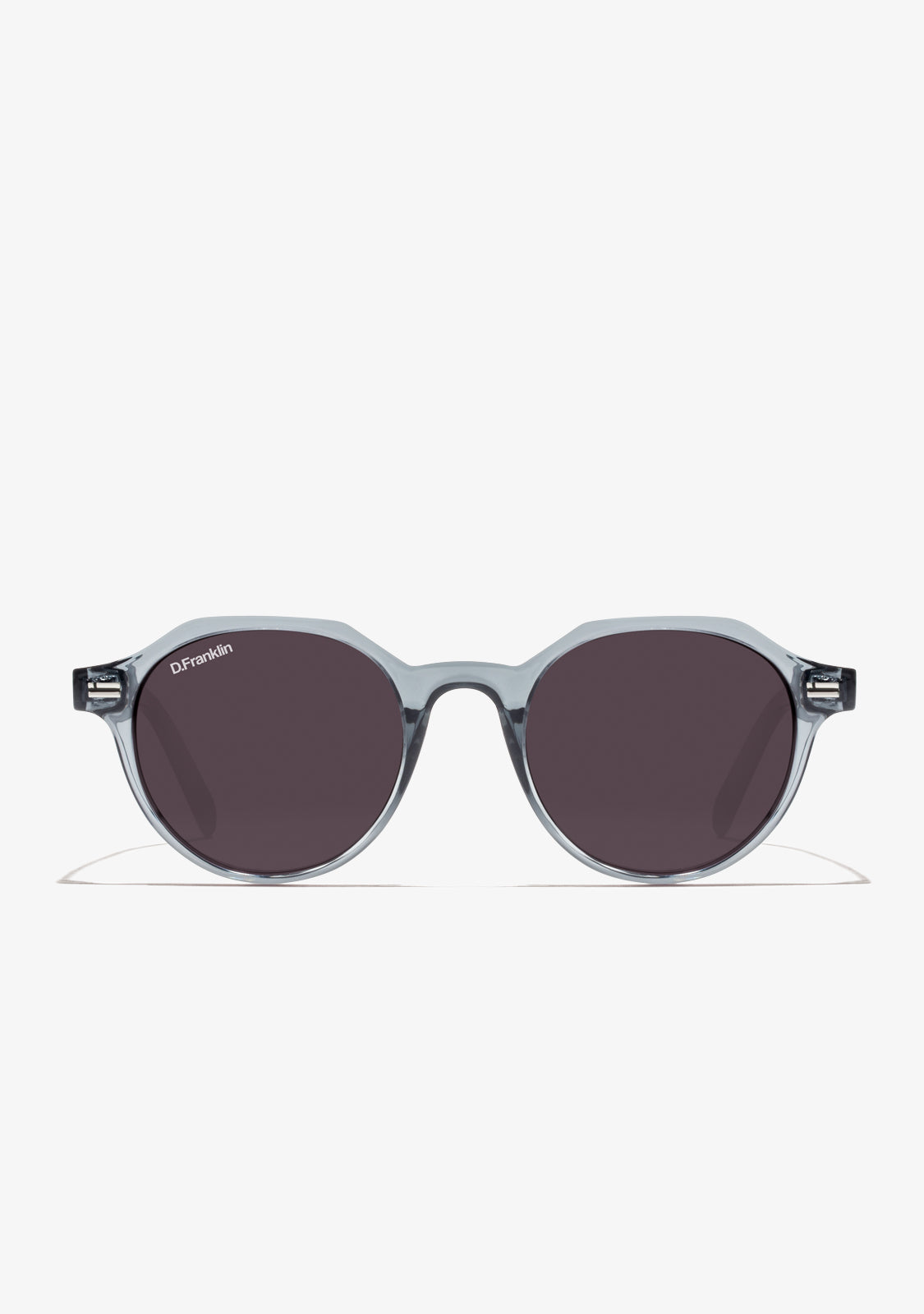
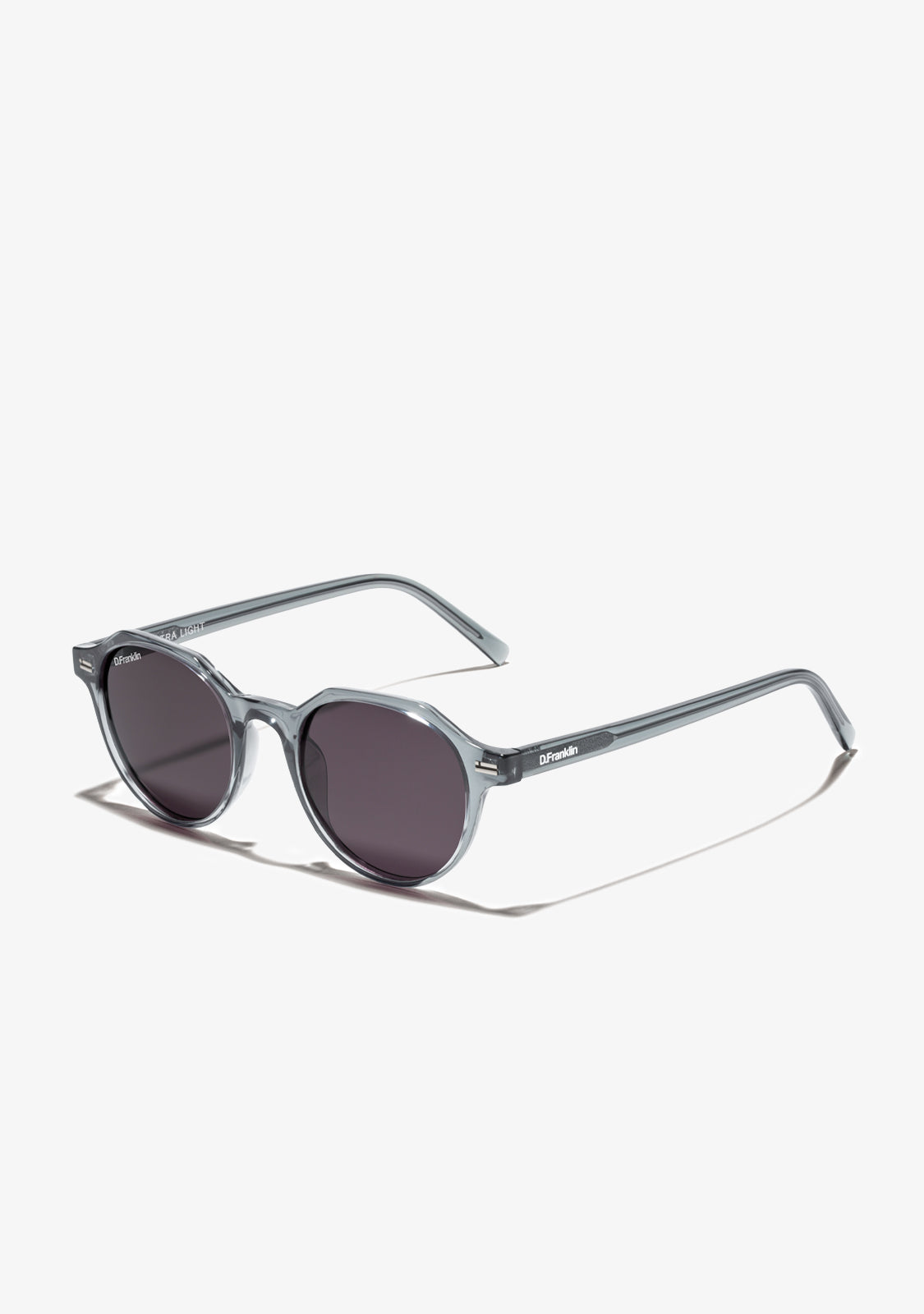


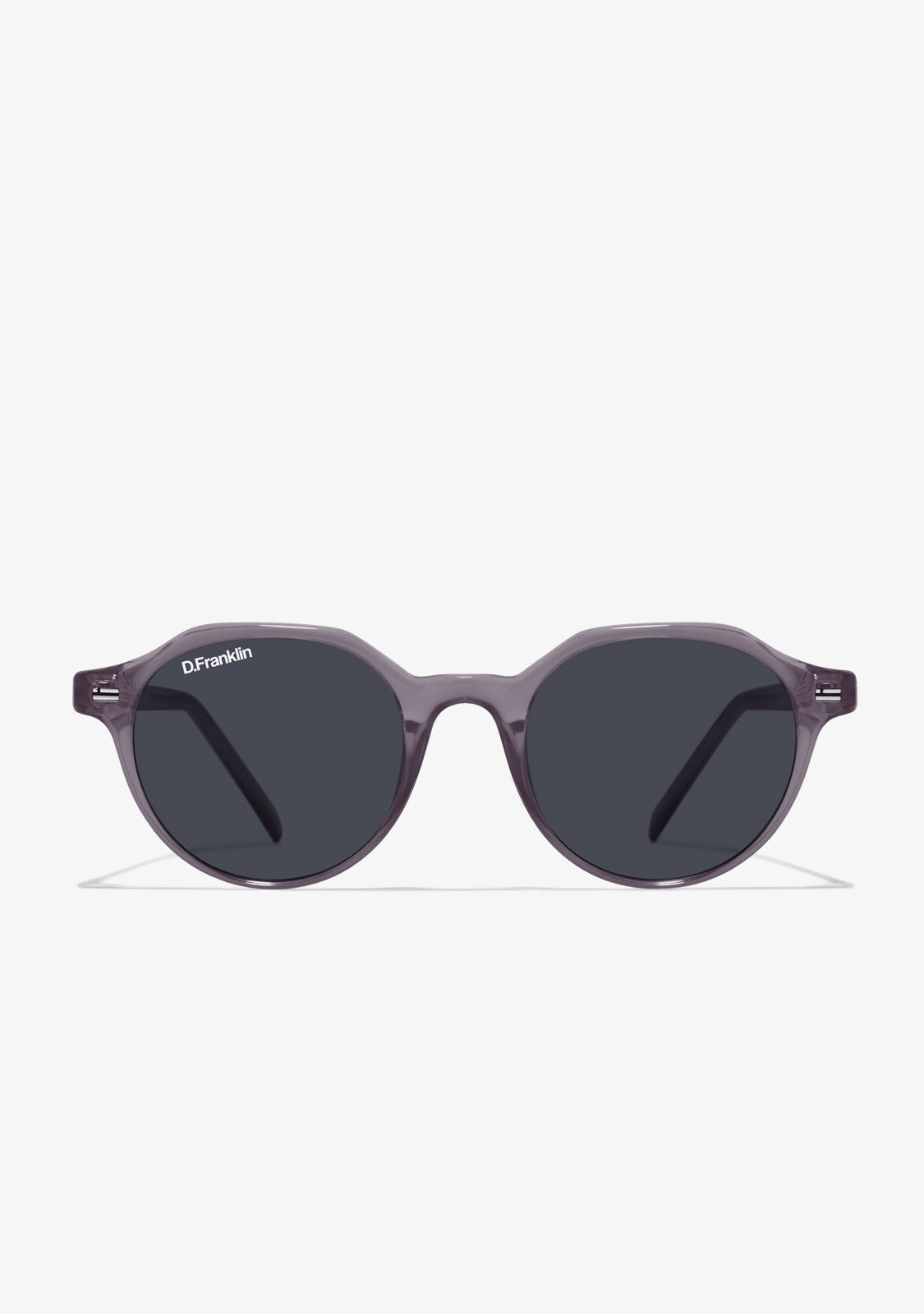
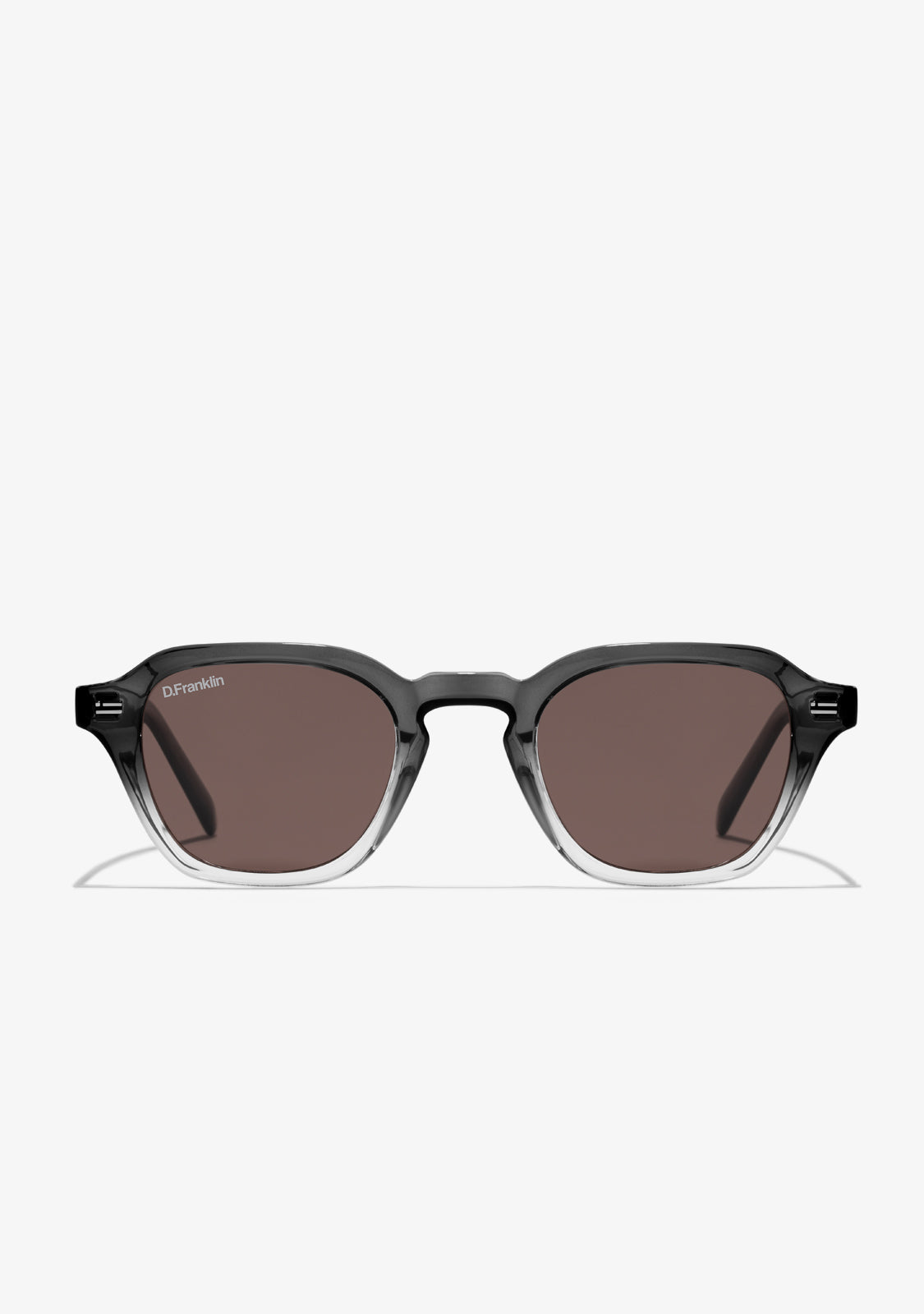
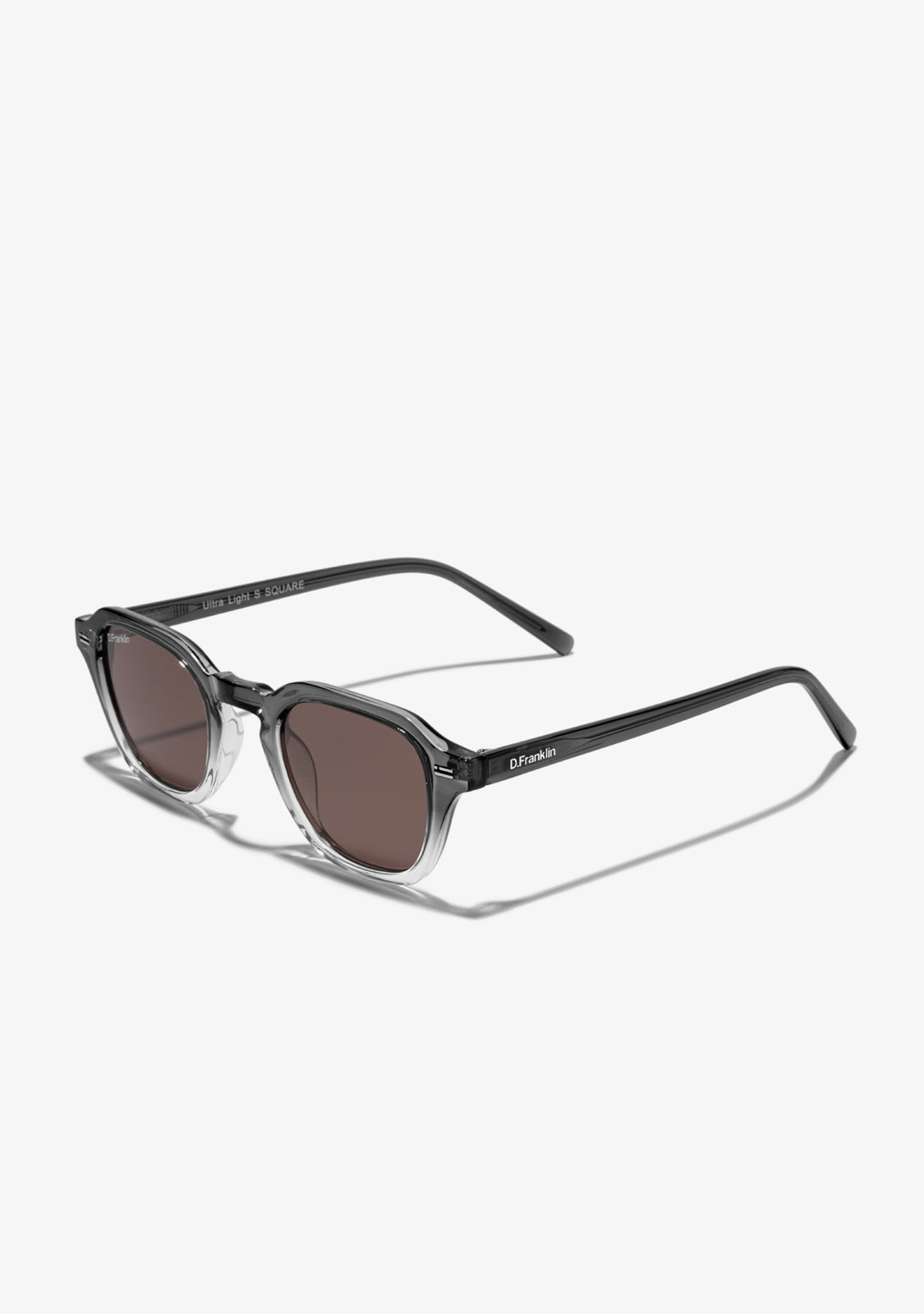

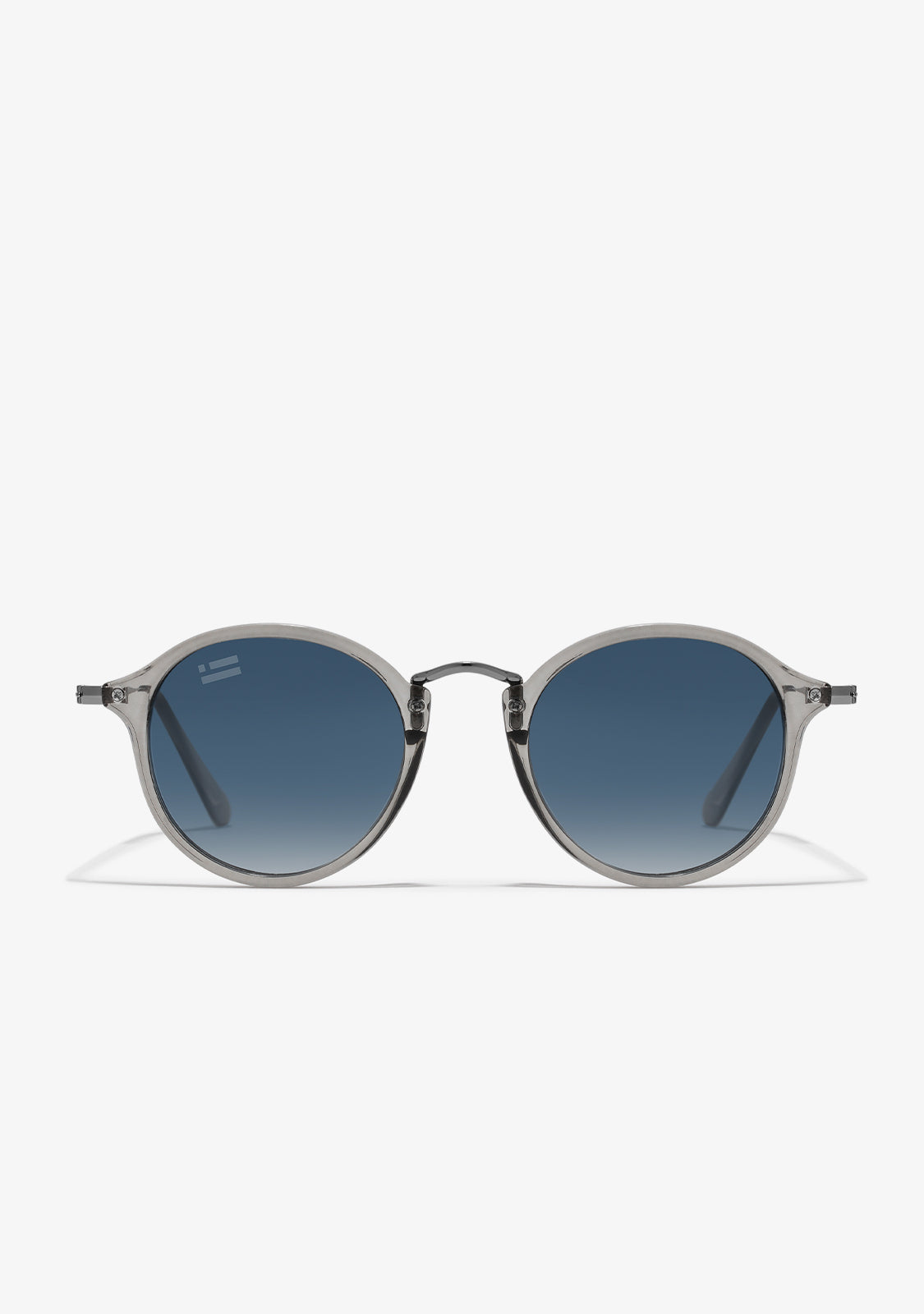
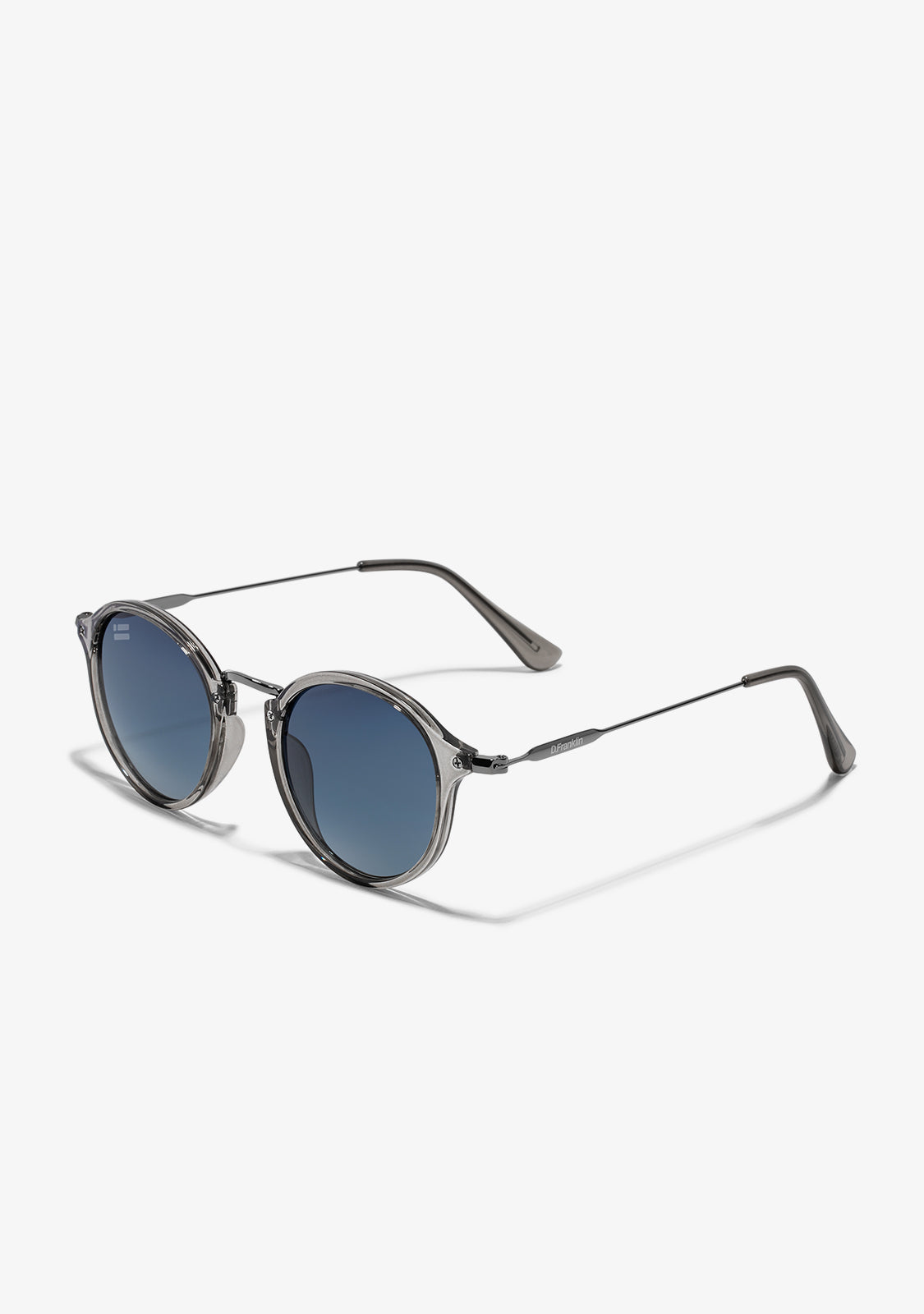


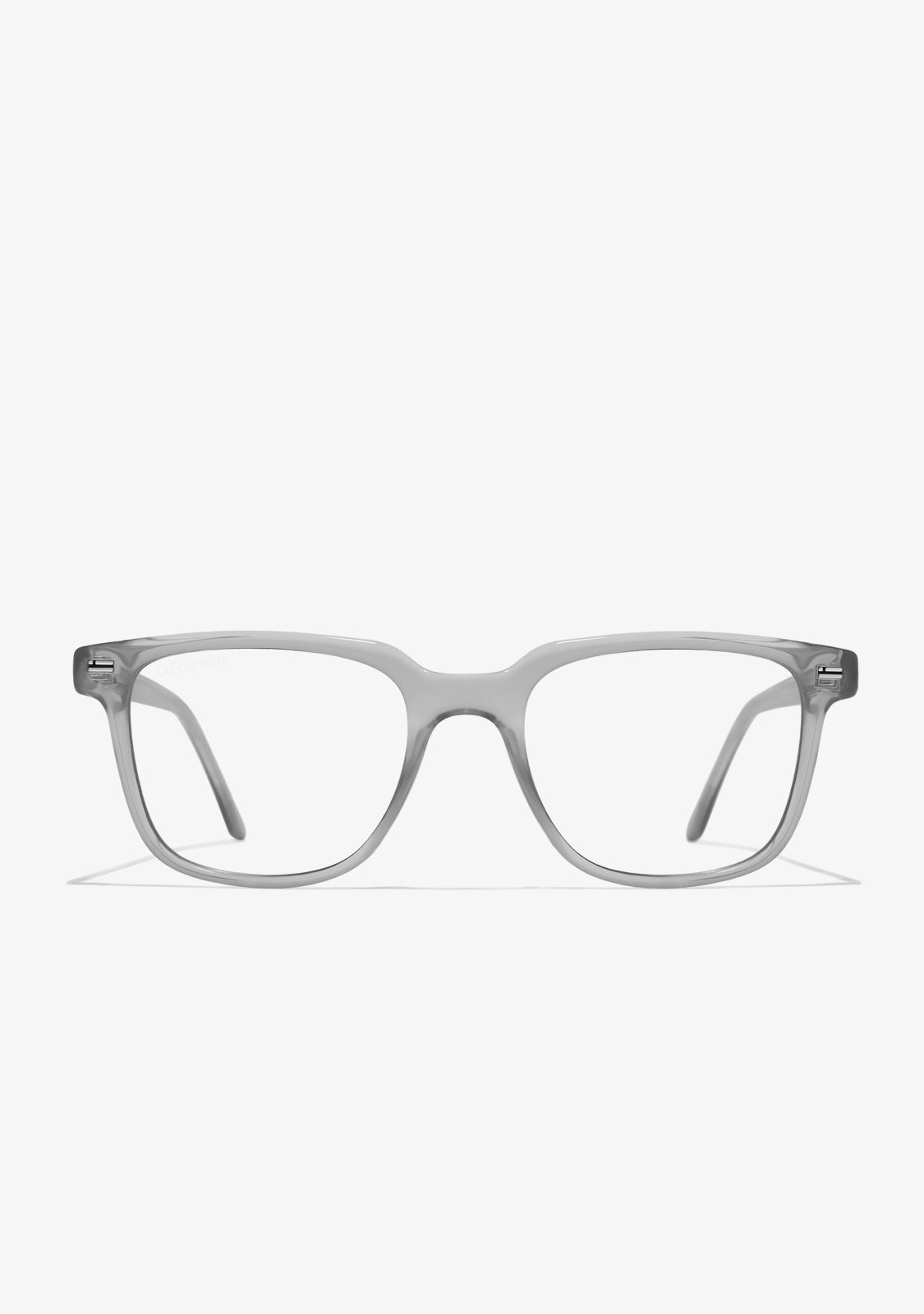
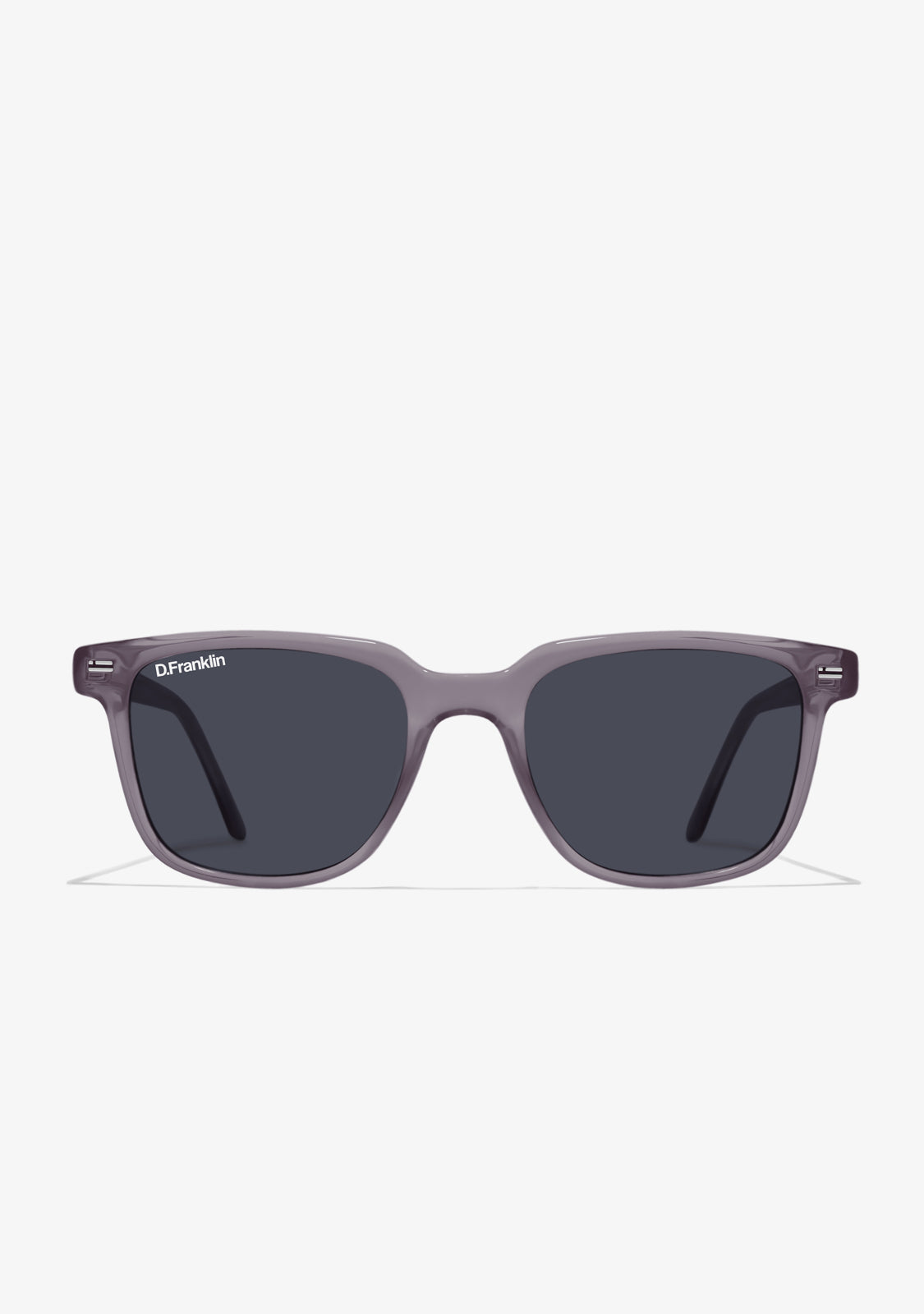


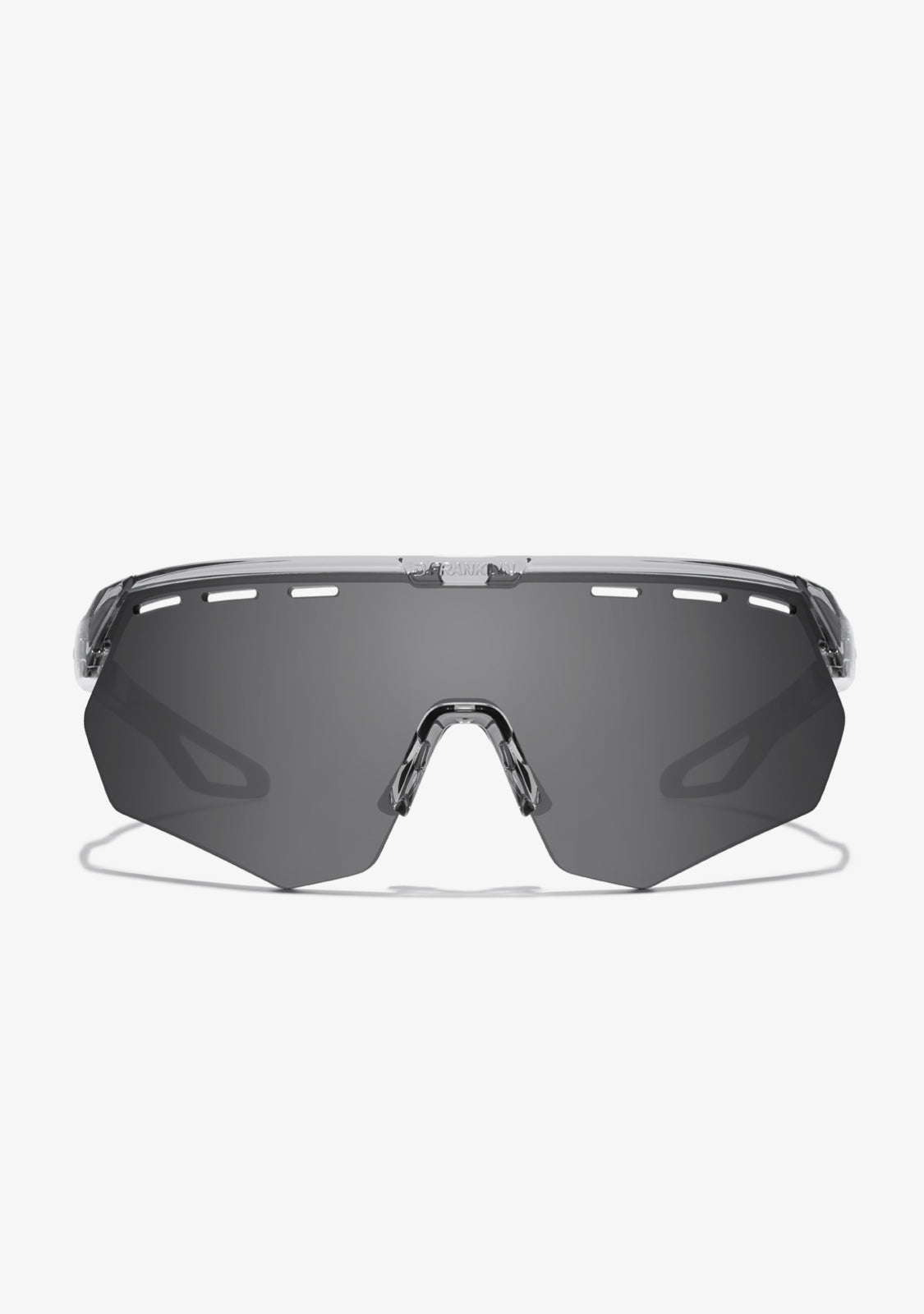
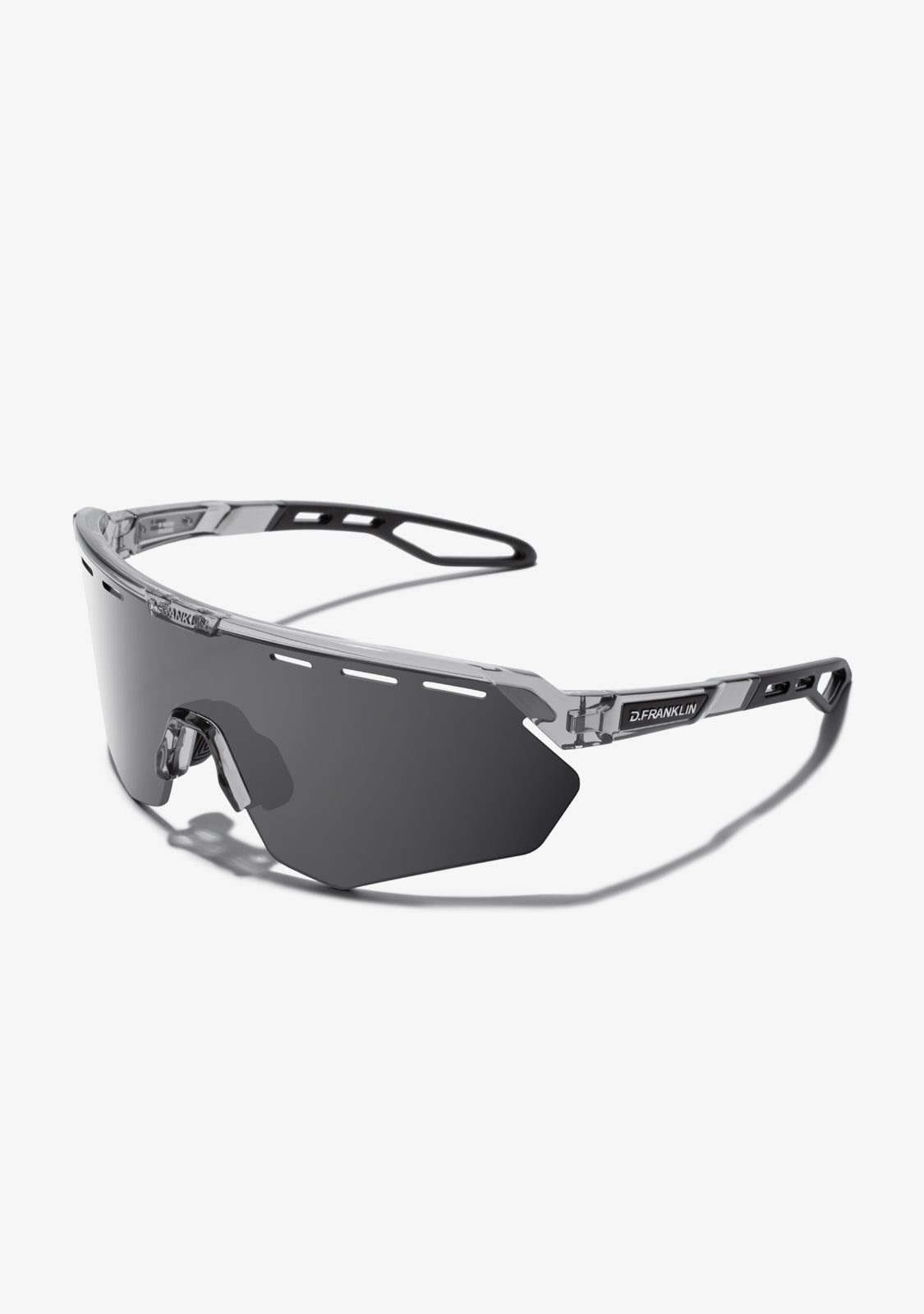

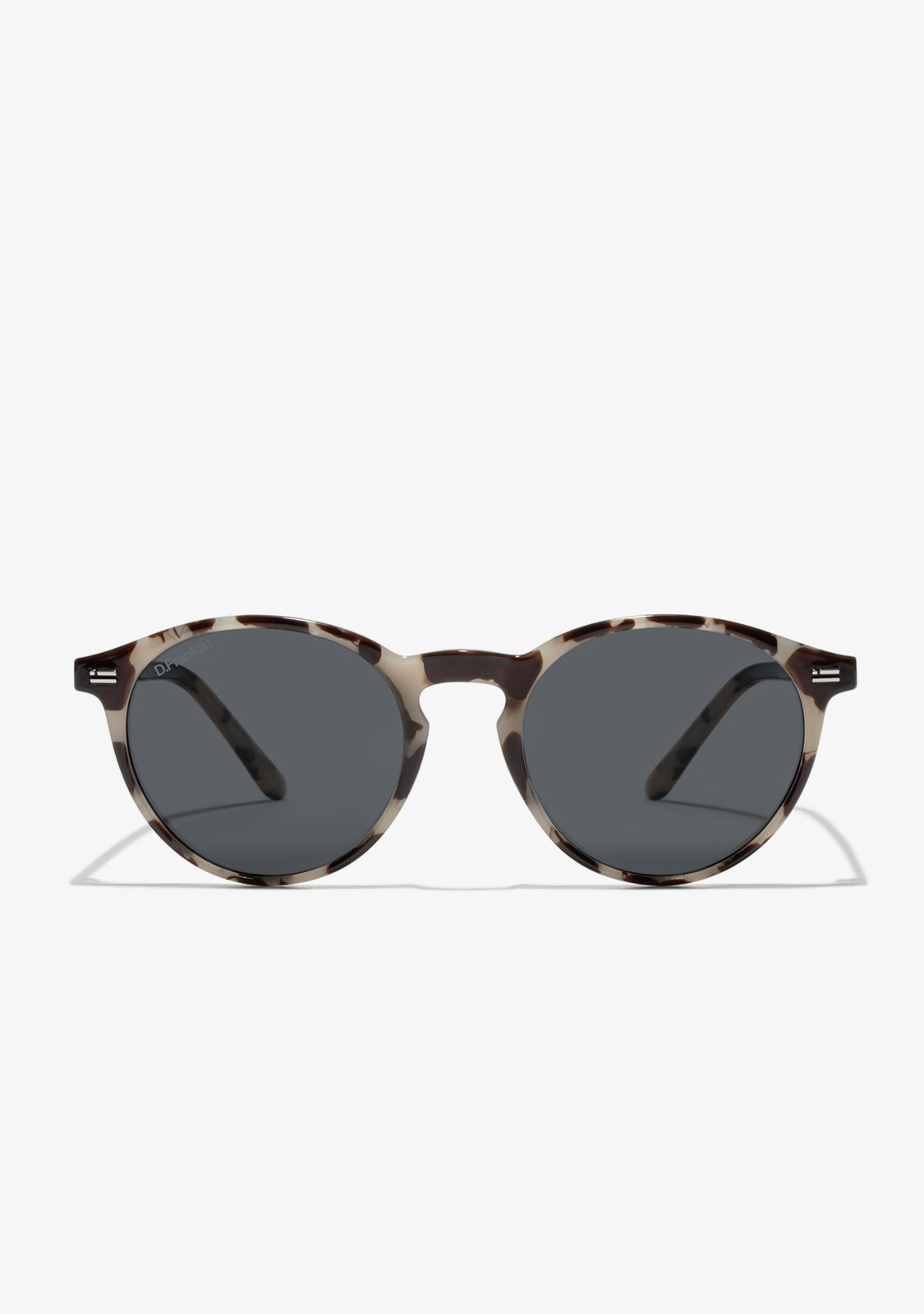
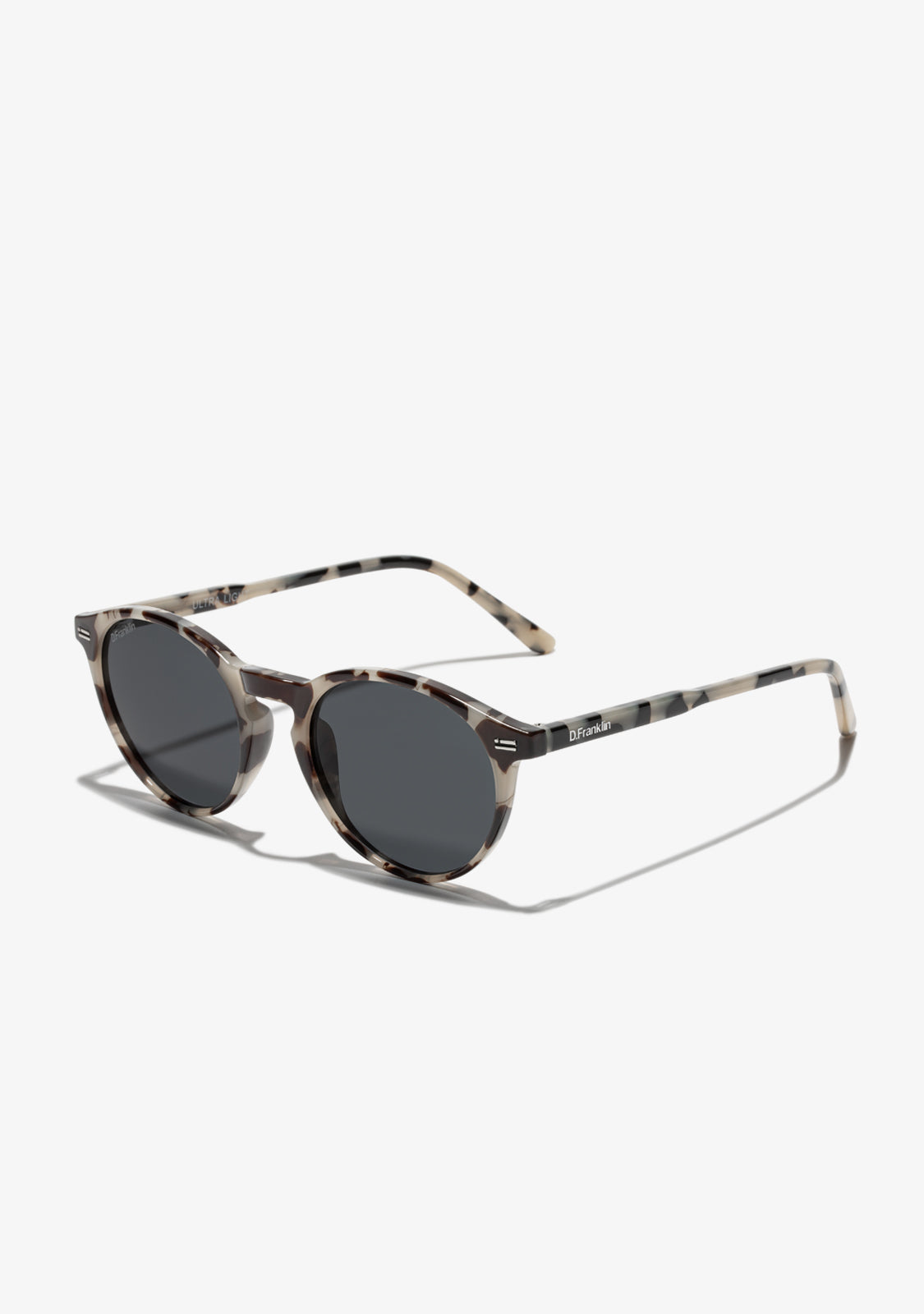


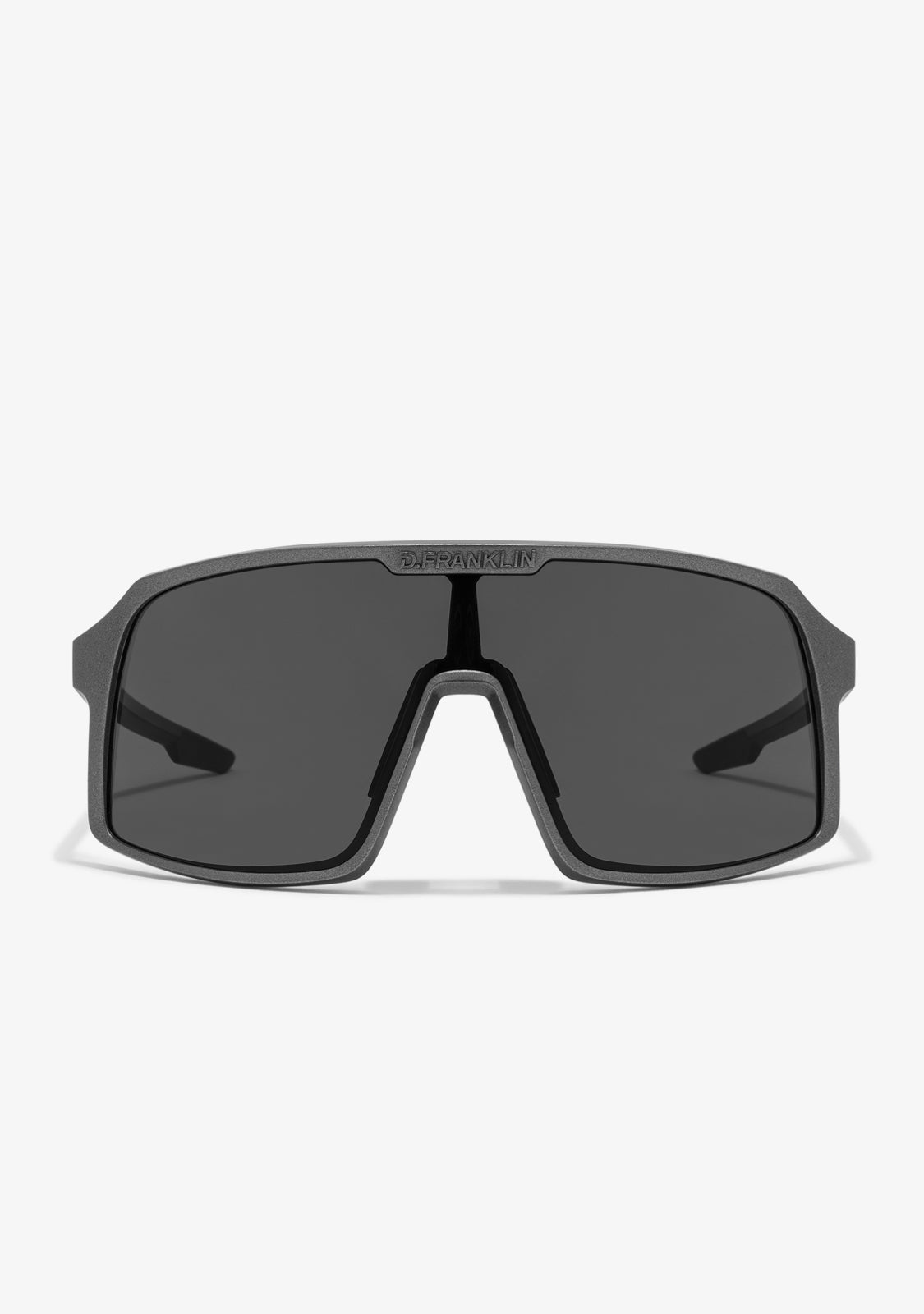
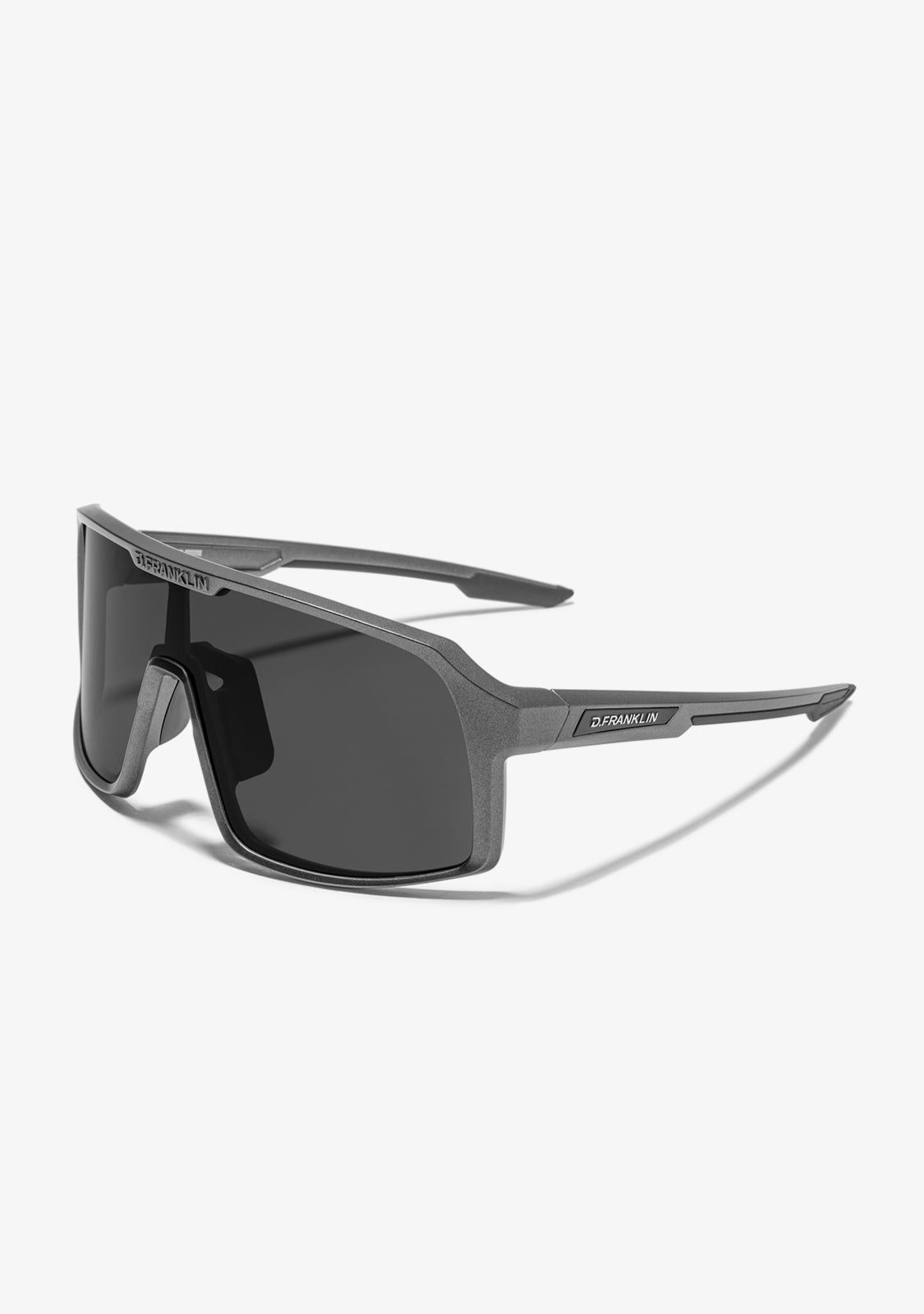


Grey Sunglasses
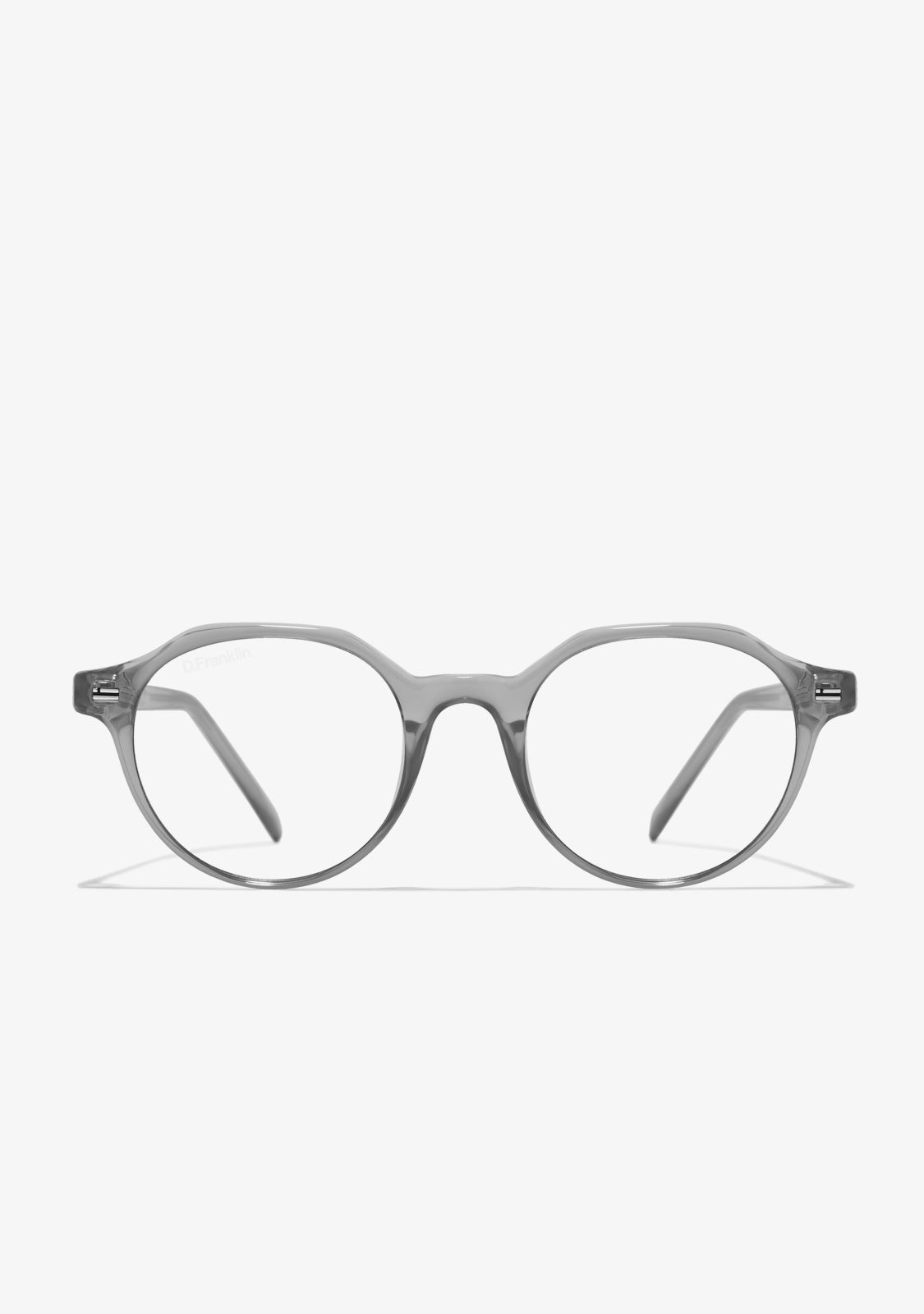
D.Franklin grey sunglasses bring together combinations where grey appears on the frame or lenses. Compare light shades, darker tones and transparent finishes according to the design.
Outer colour and the tint seen through a lens are not the same thing. Check both alongside dimensions and filter features before choosing.
Grey and other neutral shades
Grey works with black, white or blue outfits. For a warmer neutral, compare brown sunglasses. Frame transparency also changes visual presence.
Uniform tint or tonal transition
Grey lenses may have a uniform tint or another finish depending on their specifications. Explore gradient sunglasses if you prefer changing intensity within the lens.
What to check before choosing
- Front width, bridge size and temple length.
- Stable contact without pressure on your nose or temples.
- Stated lens type, filter category and UV protection.
- Frame and lens colours considered separately.
Fit and care
Check the fit while tilting your head and smiling: the frame should not keep slipping or touch your cheeks. Remove particles before cleaning, use a clean microfibre cloth and follow the finish's care instructions. Store your glasses in their case away from direct heat. For a broader comparison, explore square sunglasses.
Frequently asked questions
Does grey refer to the lenses or frame?
It may describe either part depending on the design. Check the colours separately instead of assuming the entire pair has one tone.
Do transparent and opaque grey frames look the same?
No. A transparent front lets light through the frame material and creates a different visual presence. This does not describe the sun filter's properties.
Does grey only work with cool colours?
No. Wear it with beige, brown or brighter colours for contrast. Consider the whole outfit and how prominent you want the glasses to be.
Are grey lenses necessarily photochromic?
No. Photochromic technology must be specified. Grey can also be a fixed tint with different features depending on the design.
Do darker lenses provide more UV protection?
Tint and ultraviolet protection are different properties. Check the stated protection and filter category; colour alone confirms neither.
Which measurements should I compare with my current glasses?
Compare front width, bridge and temple length. Do not confuse the width of one lens with the width of the entire frame; use glasses that stay stable as a reference.
How do I clean lenses without damaging the finish?
Follow the design's instructions, remove dust first and use a clean microfibre cloth. Avoid rubbing with clothing or paper and do not use cleaners without confirmed compatibility.
You may also like
Sunglasses